



















The lending landscape has undergone a dramatic transformation since the global financial crisis. Today’s small business owners face a critical decision: wait months for approval from traditional banks or access capital within days through alternative lending platforms. With alternative lending volumes reaching unprecedented levels, understanding this shift isn’t just helpful it’s essential for your business’s survival and growth.
Alternative lending has evolved from a niche option to a mainstream security or asset class that savvy entrepreneurs and institutional investor firms alike are embracing. In 2026, alternative lending platforms evolved far beyond their early days, offering sophisticated business financing solutions that traditional lending institutions simply can’t match in speed, flexibility, or accessibility.
This comprehensive guide explores everything you need to know about alternative loans, how alternative lending platforms seek to serve modern businesses, and why borrowers accept loan offers from alternative lenders at record rates.
What Is Alternative Lending? Understanding the Modern Financing Revolution
Alternative lending refers to any financial services that provide capital outside the traditional lending process used by bank or credit union institutions. Unlike traditional lenders who rely on rigid credit scoring models and extensive paperwork, alternative lending platform solutions leverage technology, data analytics, and innovative underwriting and loan servicing methods to deliver faster decisions.
The alternative lending market has grown exponentially as business and specialty finance needs have become more urgent. Alternative lending reflects a fundamental shift in how capital flows to businesses and consumer borrowers who need quick access to funds without navigating the bureaucratic maze of traditional lending institutions.
Alternative loans come in various forms, from unsecured personal loans and online loans to sophisticated alternative lending securities that attract institutional investor capital. The marketplace lending sector connects borrowers directly with multiple alternative lenders, creating competition that drives better terms and faster approvals.
How Alternative Lending Evolved from Niche to Mainstream
Alternative lending evolved from a post-crisis solution to a dominant force in financial instruments firms worldwide. After the global financial crisis exposed weaknesses in traditional corporate credit markets, innovative companies began exploring new ways to facilitate lending that bypassed conventional channels.
Alternative lending platforms evolved rapidly, incorporating artificial intelligence, machine learning, and big data analytics to assess borrower credit risk more accurately than ever before. Today’s alternative lending platform’s investments in technology have created systems that can evaluate applications in minutes rather than weeks.
The alternative lending platform’s portfolio diversity has expanded dramatically, now encompassing everything from consumer credit card debt consolidation to commercial mortgage backed securities. This evolution has made alternative business loans a viable option for businesses of all sizes seeking appropriate loan pricing without the delays of traditional lenders.
Traditional Banks vs. Alternative Lenders: The Critical Differences
When comparing traditional banks to alternative lenders, the differences are stark and increasingly favor alternative lending solutions for time-sensitive business financing needs.
Speed of Approval and Funding
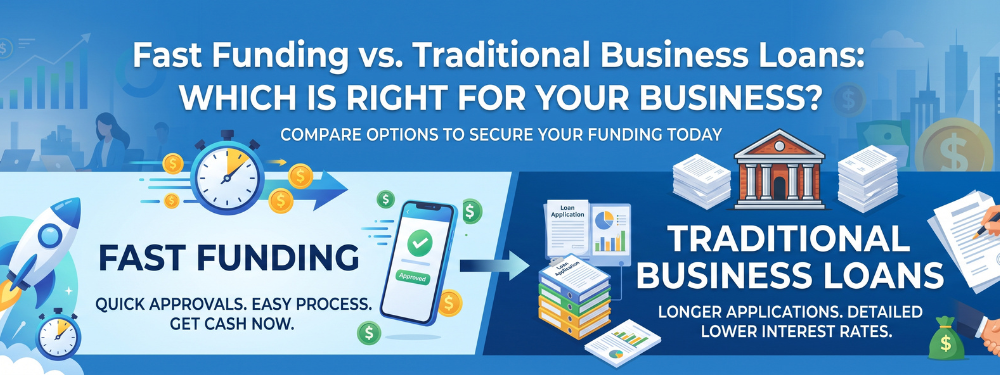
Traditional banks typically require 45-90 days to process, underwrite, and fund a borrower loan. In contrast, alternative lending platform solutions can deliver decisions within 24-72 hours, with funding often available within a week. This speed is crucial when businesses face unexpected opportunities or challenges that require immediate capital.
Alternative lending volumes scaled dramatically because speed matters. When a restaurant needs new equipment before the holiday rush or a retailer must purchase inventory at a discount, waiting months for traditional lenders isn’t an option. Alternative loans fill this gap perfectly.
Qualification Requirements and Flexibility
Traditional lenders maintain strict credit requirements, often demanding perfect credit scores, years of financial statements, and substantial collateral. Alternative lenders take a more holistic approach, considering cash flow, business performance metrics, and alternative data points that traditional banks ignore.
Alternative lending platforms seek to serve businesses that traditional lending institutions overlook. This includes startups, businesses with less-than-perfect credit, or companies in industries that bank or credit union institutions consider high-risk. Alternative business loans provide these businesses with opportunities that simply don’t exist in the traditional fixed income universe.
Interest Rates and Fee Structures
While traditional banks may offer lower interest rates on paper, the total cost of borrowing tells a different story. Alternative lenders charge loan origination fees that reflect the speed, convenience, and flexibility they provide. Some alternative lending platform providers charge loan origination fees ranging from 1-6%, while others build costs into interest rates that remain competitive given the reduced risk and faster access.
The key is understanding appropriate loan pricing for your specific situation. When you factor in the opportunity cost of waiting months for traditional lenders versus accessing capital immediately through alternative lending, the math often favors speed.
The Technology Behind Modern Alternative Lending Platforms
Today’s alternative lending platform solutions represent the pinnacle of fintech innovation, combining artificial intelligence, machine learning, and big data to revolutionize how lending decisions are made.
AI-Powered Underwriting and Risk Assessment
Alternative lending platforms evolved to incorporate sophisticated algorithms that analyze hundreds of data points in real-time. These systems evaluate borrower credit risk far more accurately than traditional credit scores alone, considering factors like:
- Real-time cash flow patterns
- Accounting software integration
- Payment processor data
- Social media sentiment
- Industry trends and benchmarks
- Customer review scores
This comprehensive approach allows alternative lenders to serve businesses that traditional banks would automatically reject, while maintaining strong portfolio performance through better risk assessment.
Automated Loan Servicing and Management
Modern alternative lending platform’s control over the entire lending lifecycle—from application to repayment—creates efficiency that benefits both borrowers and investors. Loan servicing geared toward automation reduces overhead costs, enabling alternative loans to offer competitive rates despite faster processing times.
Alternative lending platforms seek continuous improvement through data analysis, refining their models with every loans originated to improve accuracy and reduce default rates. This iterative process has made alternative lending securities generally more attractive to institutional investor capital.
Marketplace Lending and Peer-to-Business Models
The marketplace lending sector represents a subset of alternative lending that connects borrowers directly with individual and institutional investors. This model eliminates the bank as intermediary, allowing such financial intermediary platforms to facilitate transactions more efficiently.
Marketplace lending platforms enable investors to diversify across hundreds of alternative loans, while borrowers benefit from competitive rates driven by investor competition. The alternative lending platform’s portfolio diversity attracts institutional investor participation, bringing significant capital to the alternative lending market.
Types of Alternative Loans: Finding the Right Financing Solution
Alternative loans come in numerous forms, each designed to address specific business financing needs, and platforms that let you compare different business loan options can help you find the best fit. Understanding these options helps you choose the right solution for your situation
Unsecured Business Loans and Lines of Credit
Unsecured consumer alternative loans and business lines of credit provide flexible capital without requiring collateral. These alternative business loans are ideal for businesses with strong cash flow but limited physical assets to pledge.
Unsecured consumer alternative lending has grown significantly as alternative lenders developed better risk assessment tools. While interest rates may be higher than secured options, the speed and flexibility often justify the cost for time-sensitive needs.
Invoice Financing and Factoring
Invoice financing allows businesses to access capital tied up in unpaid invoices, improving cash flow without waiting for customers to pay interest on late payments. This form of alternative lending is particularly valuable for B2B companies with long payment cycles.
Alternative lending platform invests in technology that verifies invoice authenticity and tracks payment histories, reducing risk while providing immediate working capital. This solution helps businesses bridge gaps between delivering services and receiving payment.
Equipment Financing and Asset-Based Lending
Equipment financing through alternative lenders enables businesses to acquire necessary machinery, vehicles, or technology without large upfront costs. These alternative loans use the equipment itself as collateral, often making approval easier than traditional equipment loans.
Business and specialty finance companies specializing in equipment lending understand industry-specific needs and can structure terms that match equipment lifespan and revenue generation patterns.
Merchant Cash Advances and Revenue-Based Financing
For businesses with consistent credit card sales, merchant cash advances provide capital repaid through a percentage of daily transactions, sitting alongside other fast business loan options designed for rapid access to cash. This alternative lending structure aligns repayment with revenue, easing cash flow pressure during slow periods.
While loan origination fees for these products can be higher, the flexibility and automatic repayment structure appeal to businesses with fluctuating revenues who struggle with fixed monthly payments required by traditional banks.
Debt Consolidation and Credit Card Refinancing
Debt consolidation through alternative loans helps businesses and consumers combine multiple high-interest obligations into a single payment with potentially lower interest rates. This is particularly relevant for managing revolving credit card balances and consumer credit card debt.
Unsecured personal loans for debt consolidation simplify finances and can reduce total interest costs, though borrowers must avoid accumulating new consumer credit card debt after consolidation.
The Institutional Investment Perspective: Alternative Lending Securities
The growth of alternative lending has attracted significant institutional investor capital, transforming the industry from peer-to-peer origins to a sophisticated security or asset class.
Understanding Alternative Lending Securities
Alternative lending securities represent packaged loans sold to investors seeking yield beyond the traditional fixed income allocations available in public markets. These securities offer alternative lending’s yield potential while providing diversification benefits.
Alternative lending securities generally carry different risk profiles than traditional corporate credit or the taxable corporate bond market, making them attractive for portfolio diversification. However, investors must understand unrated debt securities risk and additional risks alternative investments entail.
Institutional Investor Participation
Major institutional investor firms like Atlanta Capital Management LLC and others have allocated significant capital to alternative lending platform’s investments, recognizing the asset class’s potential. Private corporate credit allocations increasingly include marketplace lending sector exposure as performance data validates the model.
Alternative lending platform’s portfolio performance has attracted predominant loan investors seeking alternative lending’s yield in a low-rate environment. This institutional investor participation brings stability and capital depth to the alternative lending market.
Risk Management and Credit Boxes
Sophisticated alternative lending platforms seek to attract institutional investor capital by adhering to strict buyer’s defined credit box parameters. These guidelines specify acceptable borrower credit risk levels, loan sizes, industries, and geographic concentrations.
Purchaser’s defined credit box adherence requires robust underwriting and loan servicing systems and transparent reporting. Alternative lending platform’s control over origination standards ensures credit risks underwritten meet investor expectations, maintaining the active secondary trading market for alternative lending securities.






Recent Comments