


















Understanding revolving utilization is critical for improving your financial health and credit score. Unlike installment loans, where you pay down a fixed lump sum, revolving credit (like credit cards and lines of credit) lets you borrow, repay, and borrow again up to a credit limit. How you manage these revolving credit accounts accounts for a massive 30% of your score in most credit scoring models, second only to payment history.
When a credit card issuer or general card issuer evaluates your application, your credit utilization ratio is a primary indicator of risk. Lenders use a defined scoring model that places immense weight on how much total credit you’ve actually used relative to your total credit limit. It’s not just a mathematical curiosity; this metric directly measures your reliance on debt and can signal financial distress long before payments are missed. For example, a high credit utilization rate can signal you might be having trouble paying or are overextended.
On the positive side, demonstrating a good revolving utilization rate, ideally in the low single digits, shows lenders that you possess strong financial discipline. For many, achieving a good credit score means managing available credit across multiple lines of credit and credit accounts effectively. A low credit utilization rate suggests you don’t live beyond your means and are a lower risk for future loans. Conversely, a high utilization ratio is often the primary cause of a fluctuating score and can lead to less favorable loan terms on future financing.
What is Revolving Utilization?
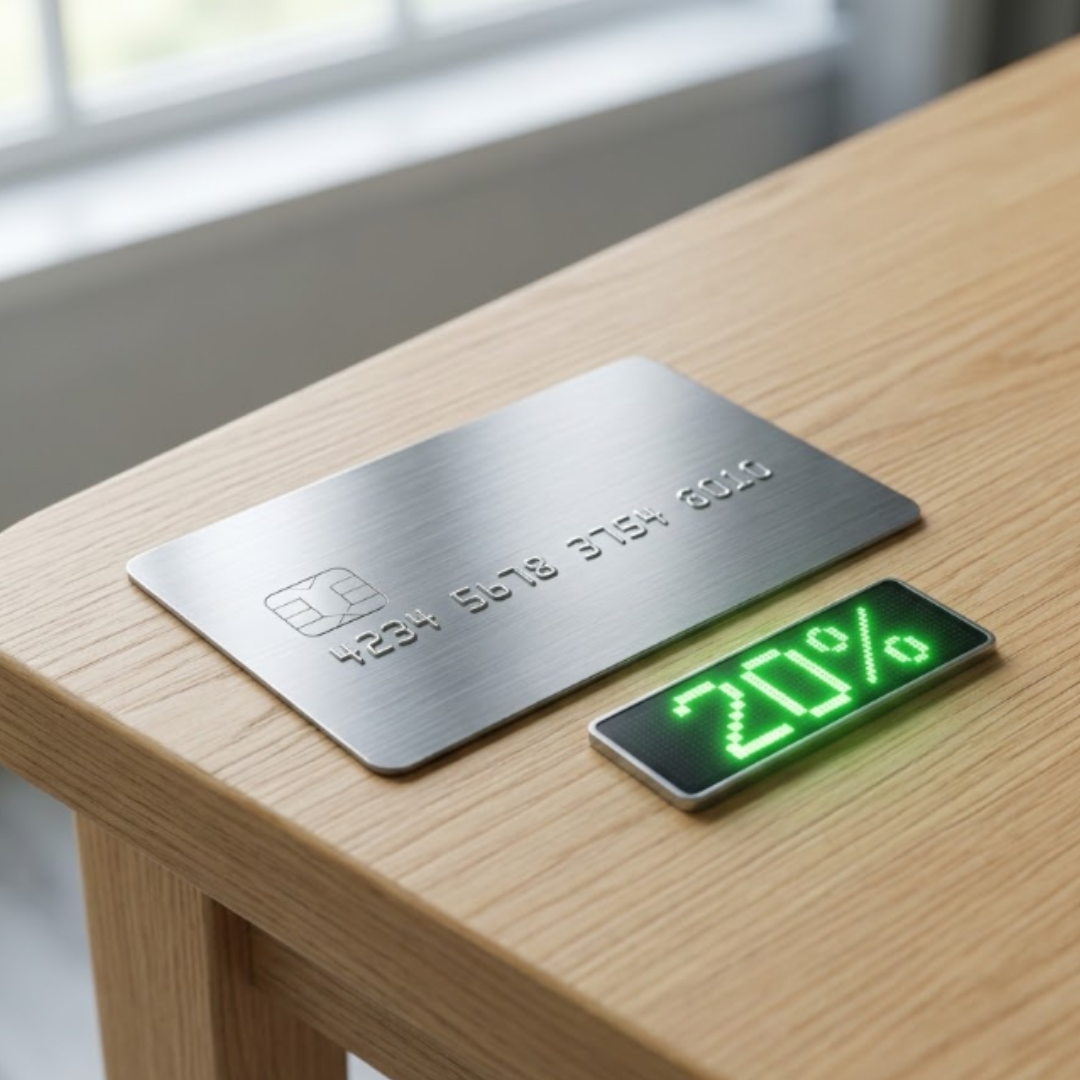
Revolving utilization measures the percentage of your available credit that you’re currently using on revolving accounts. These include things like credit cards, personal lines of credit, and home equity lines of credit. For example, if you have a credit card account with a $5,000 credit limit and a $1,000 credit card balance, your utilization rate on that card is 20%.
Monitoring this utilization ratio on an individual account basis is important because an extremely high revolving utilization rate on even one card can lower your credit score, even if your overall credit utilization remains low. However, lenders typically focus more on your combined overall utilization across all your revolving credit limits, also known as your total debt to limit ratio.
Calculating and Managing Your Utilization Rate
Learning how to calculate individual utilization percentage is simple: divide your current balance by your credit limit and multiply by 100. To calculate individual utilization percentage for your whole profile, do the same with your total account balances and your total credit limit.
Lenders generally consider a low credit utilization ratio (below 30%) a sign of responsible borrowing habits, while a high utilization ratio (above 30%) may suggest you are having trouble paying. While 30% is a common threshold, aiming for a single-digit ratio—a good credit utilization ratio—is even better for your credit health.










Recent Comments