Starting a laundromat business represents an attractive business venture for many entrepreneurs looking to enter a recession-resistant industry. Whether you’re considering purchasing an existing laundromat or building a new laundromat from scratch, understanding the full scope of costs involved is crucial for your success. This comprehensive guide breaks down everything small business owners need to know about laundromat cost considerations, from initial investment to ongoing costs.
Initial Startup Costs: Your Foundation Investment
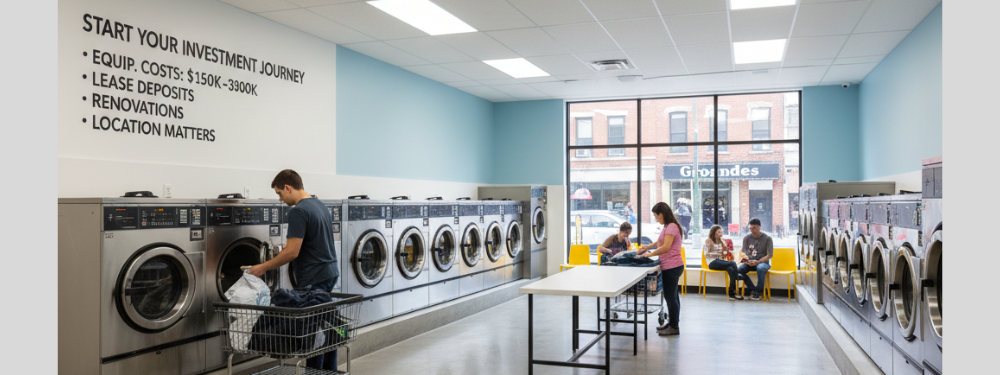
The startup costs for opening a laundromat vary significantly based on several important factors. Generally, you can expect to invest between $150,000 and $500,000 for a typical new business setup. This investment covers equipment, lease deposits, renovations, and initial operating capital.
Purchasing commercial washing machines and dryers represents your largest upfront expense. New equipment typically costs between $150,000 and $300,000 for a medium-sized facility. Quality laundromat equipment is essential for long-term profitability, as reliable machines reduce maintenance needs and enhance customer experience.
The right location can make or break your laundry business. High traffic areas with adequate parking and visibility command higher rent but often generate better revenue. Monthly property lease prices typically range from $2,000 to $10,000, depending on size and location.
When evaluating potential sites, consider the target audience and existing competition. An established customer base in the area indicates demand for services. Many successful laundromat owners recommend securing at least 2,000 square feet to accommodate machines, folding areas, and laundry carts.
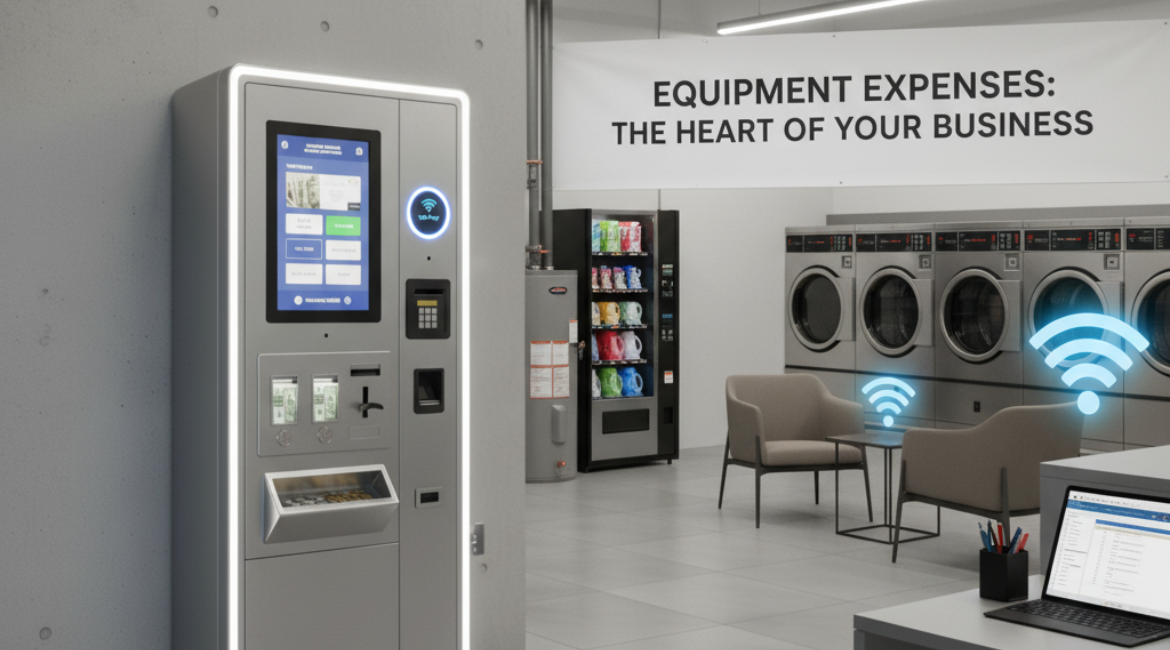
Equipment Expenses: The Heart of Your Business
Beyond washers and dryers, your laundromat requires several essential pieces of equipment:
Change machines and payment systems ($2,000-$5,000)
Water heater systems ($3,000-$8,000)
Vending machines for laundry detergent and fabric softener ($1,500-$3,000 each)
Security systems and cameras ($2,000-$5,000)
Office supplies and accounting software ($500-$2,000)
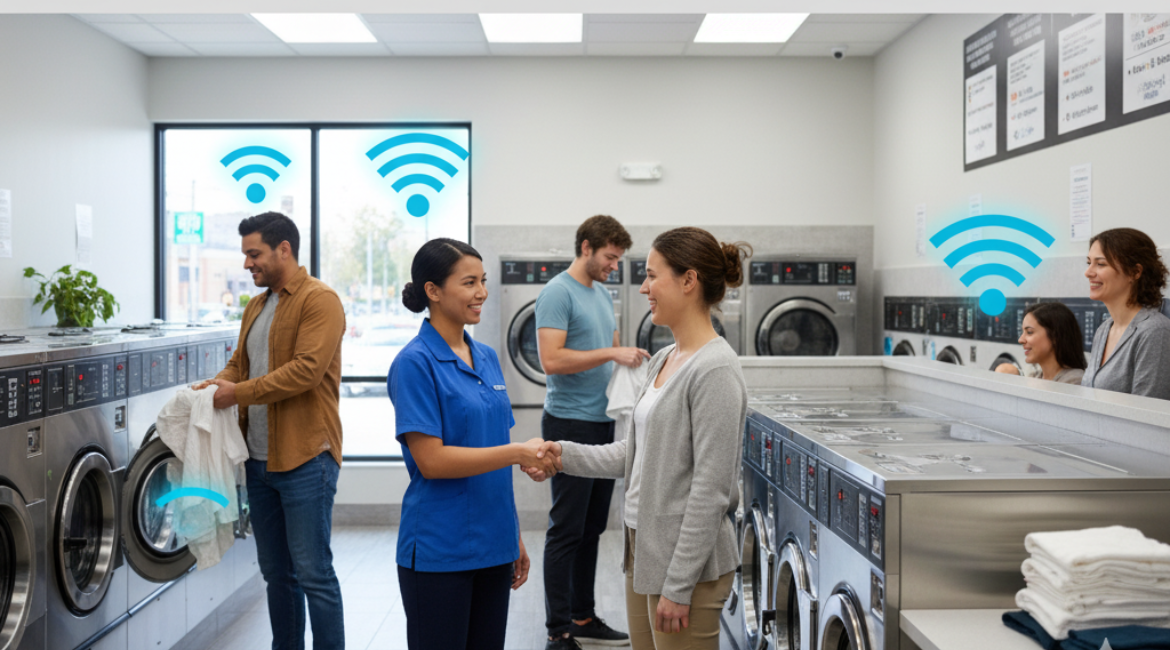
Modern customers increasingly expect amenities like Wi-Fi and comfortable seating. These additions enhance customer experience and can help you attract more customers to your services.
Ongoing Costs and Operating Expenses
Understanding ongoing costs is vital for maintaining positive cash flow. Monthly expenses typically include:
Utilities represent a major ongoing expense, often ranging from $3,000 to $6,000 monthly. Water and electricity costs depend on equipment efficiency and local prices. Investing in energy-efficient machines can significantly reduce these utilities over time.
Insurance is non-negotiable for protecting your investment. General liability insurance typically costs $1,000-$2,000 annually, while property insurance adds another $2,000-$4,000. Many laundromat owners also carry business interruption insurance to protect cash flow during unexpected closures.
Regular maintenance keeps your equipment running efficiently. Budget $500-$1,000 monthly for maintenance and repairs. Preventive maintenance extends equipment life and prevents costly emergency repairs that could disrupt services and frustrate customers.
Revenue Streams and Profit Potential
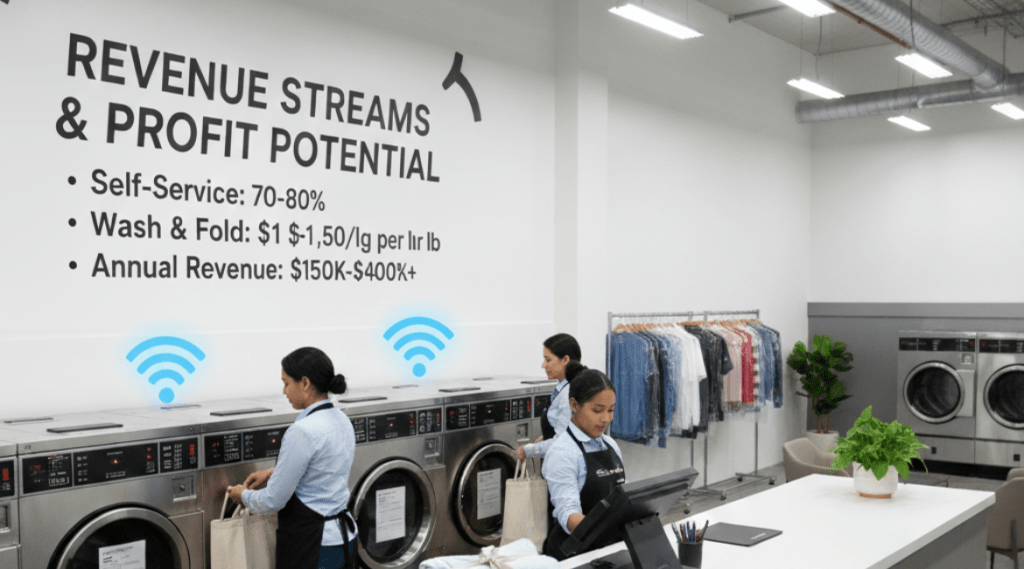
A successful laundromat generates revenue through multiple streams. Self-service washing and drying typically account for 70-80% of revenue. Wash and fold services can add significant profit, often charging $1-$1.50 per pound. This fold service appeals to busy professionals who value convenience.
Additional services like dry cleaning pickup and delivery create new revenue streams. Some laundromat owners report annual revenue between $150,000 and $400,000, with profit margins ranging from 20-35% for well-managed operations.
Marketing Your Laundromat Business
Effective marketing drives new customers to your business. Social media marketing offers cost-effective ways to reach your target audience. Traditional print ads and radio ads still work in certain markets. Budget 3-5% of projected revenue for marketing efforts.
Building a strong online presence helps customers find your services. Many successful laundromat operations use loyalty programs to encourage repeat business and increase customer experience satisfaction.
Financing Options for Your Investment
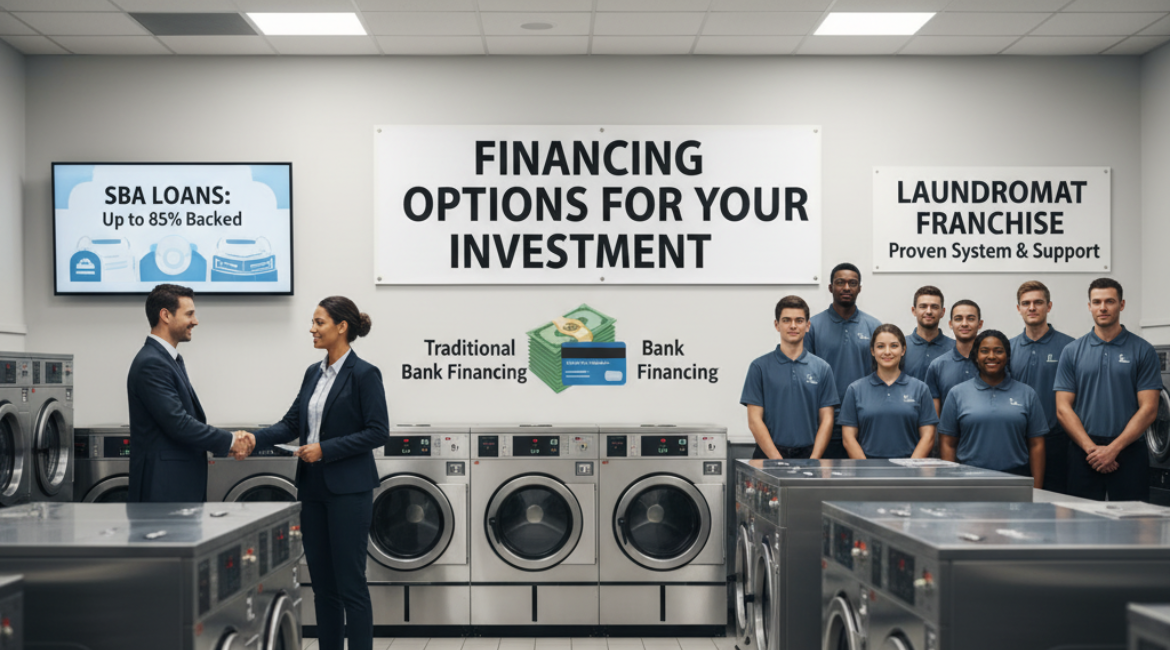
Most entrepreneurs need financing to cover startup costs. SBA loans offer favorable terms for qualified borrowers, with the Small Business Administration backing up to 85% of the loan amount. Traditional bank financing and business credit cards provide additional financing options.
Consider a laundromat franchise if you prefer proven systems and support. Franchise costs include initial fees plus ongoing royalties but provide established branding and operational guidance. Cash buyers may negotiate better prices when purchasing an existing business.
Legal Requirements and Compliance
Operating a laundromat requires proper licensing and compliance. A business license typically costs $50-$400 annually. You’ll also need to register for sales tax collection if your state taxes services. Some jurisdictions require special permits for water discharge or chemical storage.
Maximizing Profitability and Success
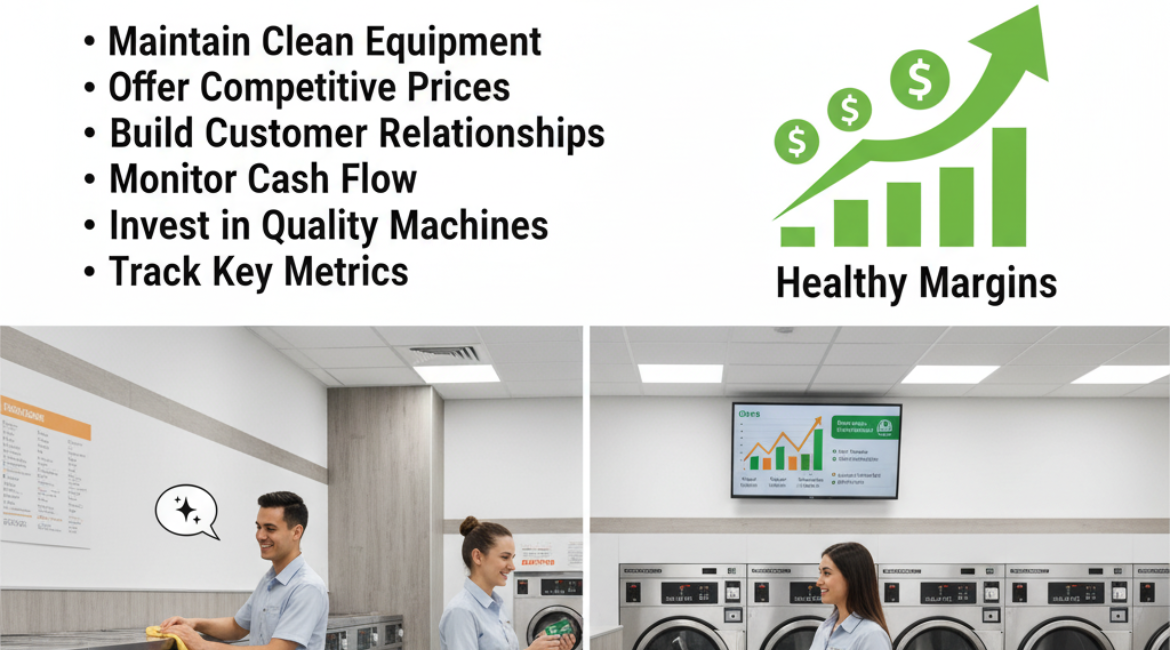
Profitability depends on managing expenses while maximizing revenue. Successful laundromat owners focus on:
Maintaining clean clothes washing equipment to ensure customer satisfaction
Offering competitive prices while maintaining healthy margins
Building strong relationships with customers
Monitoring cash flow carefully
Investing in quality machines that minimize downtime
Track key metrics like cost per load, average transaction value, and customer retention rates. Use this data to adjust prices and services for optimal profitability.
How Much Does It Cost: The Bottom Line
So, how much does a laundromat cost? Total investment ranges from $200,000 to $500,000 for most new business ventures. Much does it cost depends on location, size, and equipment choices. An existing laundromat might cost less upfront but could require equipment upgrades or maintenance.
Monthly operating expenses typically run $10,000-$20,000, including rent, utilities, insurance, and other costs. With proper management, you can expect to pay back your initial investment within 3-5 years while building sustainable cash flow.
Conclusion
Starting a laundromat business requires substantial investment but offers stable revenue potential and success opportunities for dedicated entrepreneurs. Understanding all costs involved – from startup costs to ongoing costs – helps you make informed decisions about this business venture.
Whether you’re purchasing an existing business or starting fresh, careful planning and realistic cash flow projections are essential. With the right location, quality equipment, and commitment to customer experience, your laundromat can become a profitable cornerstone of your community’s services.
Remember that success in the laundromat industry comes from balancing investment with smart operational choices. Focus on providing reliable services, maintaining clean facilities where customers can get their clean clothes, and building a sustainable business that serves your community’s needs for years to come.
Our team at Upwise Capital is here to assist you with every step of the way to secure whatever funding is needed to help your business grow. If you have any questions regarding how laundromat financing works, please call our team at 77-55-UPWISE or email [email protected]. You can also apply online for equipment financing, so you can get back to work and running your business.
So…What do you think?
What did you think of this article? Was it helpful in your search for information on starting and funding a laundromat?
Let us know your thoughts by leaving a reply below. Feel free to share this guide on social media with others considering a laundromat investment.
SHARE
Get Started today, Applying won't impact your credit score
























Recent Comments