

















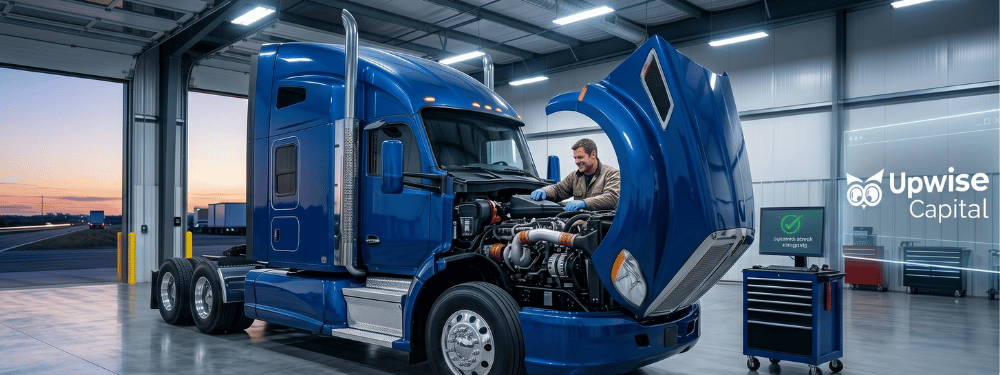

Introduction: Engine Overhaul Financing for Owner Operators
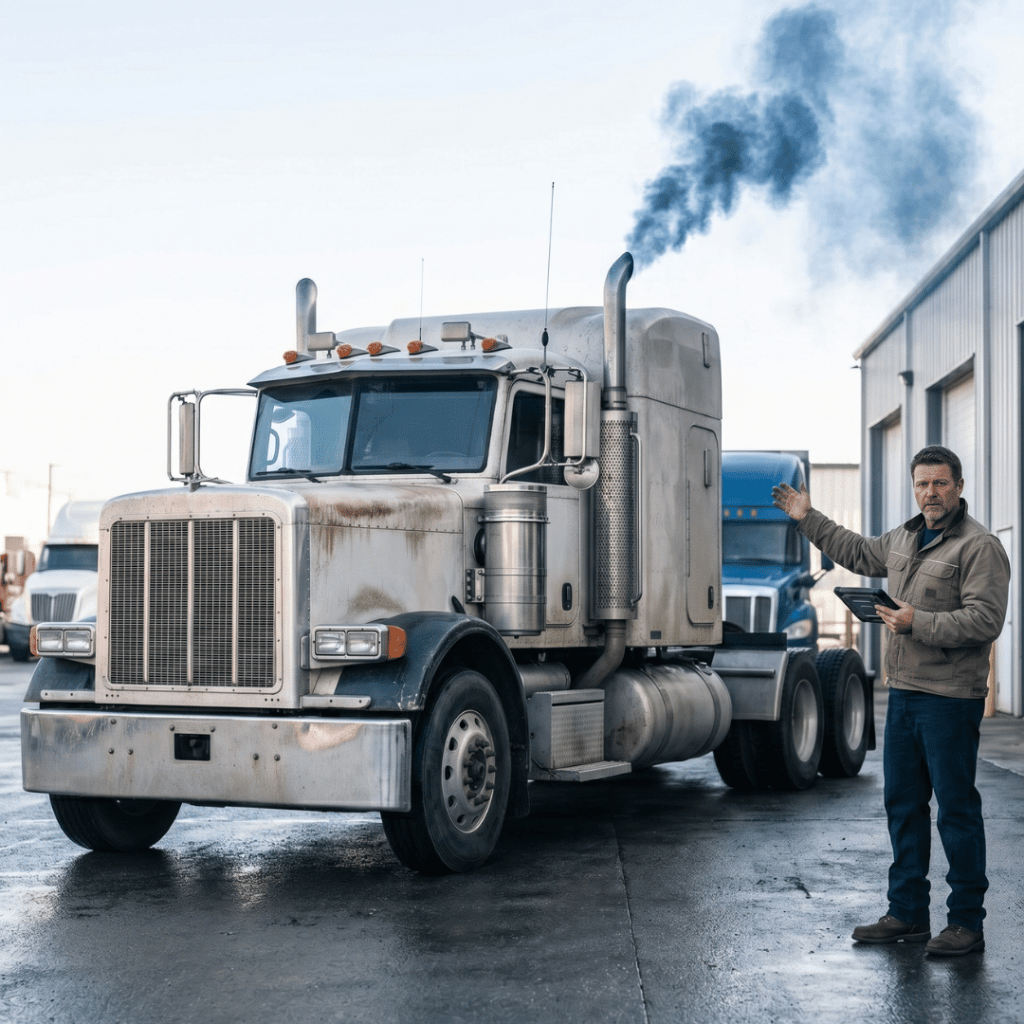
When your truck’s engine—or even a car’s engine—starts showing signs of serious wear or failure, an engine overhaul can be the most cost-effective way to restore performance and extend your vehicle’s life. For owner operators and small fleet owners, understanding engine overhaul financing is crucial—not only to keep your trucks on the road, but also to protect your cash flow and business growth. This page covers everything you need to know about engine overhaul financing, the overhaul process itself, and the best financing options available for owner operators.
Common signs you may need an overhaul include excessive smoke, oil consumption, loss of power, and knocking noises.
Whether you’re facing a sudden engine failure or planning preventive maintenance, this comprehensive guide is designed for an owner-operator or other vehicle owner who needs financing for an engine overhaul. We’ll explain what an engine overhaul is, how it differs from a rebuild, why it matters for your business, and how Upwise Capital can help you finance the process with flexible, hassle-free options.
What Is an Engine Overhaul? (Definition & Comparison)
An engine overhaul is a comprehensive procedure that involves disassembling the engine, inspecting and cleaning all parts, replacing any damaged or worn components, and reassembling the engine to factory specifications. When the goal is to fully restore performance, it may be treated as a complete overhaul or major overhaul, while still remaining distinct from a rebuild. Signs this level of work may be needed include excessive exhaust smoke, knocking or tapping noises, excessive oil consumption, loss of power and low compression, and metal shavings in oil.
It’s important to distinguish between an engine overhaul and an engine rebuild:
- Engine Overhaul: Focuses on restoring the engine by cleaning, repairing, or replacing only the necessary parts. Replacing critical components and other worn parts is central to restoring reliable operation. Key components such as bearings, pistons, and valves are inspected and repaired as needed. Overhauls are often recommended for engines that have experienced wear and tear but are still fundamentally sound.
- Engine Rebuild: Involves a complete disassembly and reassembly of the engine with new parts, including potentially a new engine block. Rebuilds are suggested when damage affects the entire engine and involves more serious major issues than a standard overhaul addresses.
Understanding these differences helps you make informed decisions about your truck’s maintenance and financing needs.
The Engine Overhaul Process: What You’re Financing
When you finance an engine overhaul, you’re investing in a multi-step process that restores your truck’s engine to reliable working condition. Here’s what the typical overhaul process looks like:
1. Inspection and Diagnosis
An experienced mechanic performs a thorough engine inspection to confirm whether you need an overhaul. This includes:
- Checking cylinder walls and piston rings for wear
- Inspecting valve seals, gaskets, and seals, especially when excessive exhaust smoke, knocking or tapping noises, or excessive oil consumption suggest internal damage
- Examining the cylinder head for cracks or warping; white smoke may also point to a cracked cylinder head
- Assessing engine block integrity
- Identifying worn piston rings and other components when loss of power and low compression are present
- Performing a compression test to check for low compression and deeper internal damage
- Checking for metal shavings in the engine oil, which create an urgent need for further diagnosis because they can indicate excessive wear
2. Disassembly and Cleaning
The engine is completely disassembled using specialized tools to check key internal components. All internal parts are:
- Removed from the engine block
- Cleaned thoroughly to remove debris and buildup from the engine’s internal components
- Measured and inspected against factory specifications to uncover internal engine wear and deeper engine issues
3. Parts Replacement
Replacing worn out components and other damaged parts is essential to ensuring peak performance. This step may include:
- Installing new pistons and rings to restore optimal performance and keep the engine running smoothly
- Replacing valve seals and guides; neglected wear here can significantly impact reliability and may lead to complete engine failure
- Fitting new gaskets and seals throughout the engine
- Repairing or replacing the cylinder head if necessary
- Machining cylinder walls to restore factory tolerances with high-quality replacements for critical components that can give the engine new life
4. Reassembly and Testing
The engine is carefully reassembled with precision. After reassembly:
- The engine is tested extensively to verify it is operating at optimal performance
- Successful reassembly and testing can also confirm fuel-efficiency gains, including better MPG and lower fuel costs over time
- Any issues are addressed before the truck returns to service
Now that you know what’s involved in an engine overhaul, let’s explore your financing options to make this essential maintenance affordable and stress-free.
Truck Financing Options for Every Situation
Upwise Capital specializes in commercial trucking business financing designed for owner operators and small fleet owners. Our solutions help you maintain your truck’s reliability while preserving your working capital for growth and daily operations.
Why Owner Operators Choose Upwise Capital
- Multi-vehicle financing packages with volume discounts
- Bad credit accepted for truck overhaul financing
- Flexible payment structures aligned with your revenue cycles
- Competitive interest rates for commercial accounts
- Semi truck loans for engine overhaul programs
- Used truck financing for purchase and overhaul combinations
- Truck refinance options to consolidate debt
- Dedicated account management for owner operators
- Rapid approval processes to minimize downtime







Recent Comments