



















Introduction
This article is crafted for small business owners and managers who want to stay ahead in 2026 by leveraging the latest AI tools for small business. We’ll explore the top AI solutions available, their costs, expected ROI, and how to finance your investment. Understanding AI tools is more important than ever, as they can streamline operations, save time, and drive growth in today’s digital business landscape.
Executive Summary
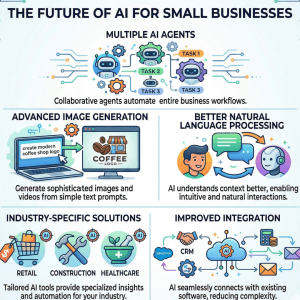
AI tools for small business are transforming the way companies operate, making it easier than ever to automate tasks, generate content, and improve efficiency.
AI tools are software solutions powered by artificial intelligence that help small businesses enhance productivity and operations by automating repetitive tasks, generating content, and providing data-driven insights. These tools can improve efficiency, allowing business owners to save time and focus on growth. By integrating with existing tools and automating workflows, AI tools help small businesses manage their operations more effectively. Throughout this article, we’ll explore how these solutions apply to key business functions such as productivity, content creation, project management, customer service, marketing automation, and data analysis.
Small businesses are leveraging AI tools to transform operations. Business owners can now access free AI tools and paid solutions to automate routine tasks, generate new content, and improve efficiency. This complete guide helps you understand AI powered solutions, upfront costs, and financing options.
Quick Answer: Small businesses invest $500-$2,000 monthly in AI tools, seeing ROI within 3-6 months. The best AI productivity tools include CRM automation, marketing platforms, and project management solutions. For comprehensive implementation requiring $10,000-$50,000, SBA microloans and business lines of credit from Upwise Capital offer accessible financing.
Why Small Businesses Need AI Tools Now
The landscape for small businesses has shifted dramatically. AI technology enables companies to automate complex workflows, generate images, create videos, and draft emails efficiently. Business owners who leverage generative AI report significant improvements in productivity and cash flow.
Key Statistics:
- 58% of small businesses now use AI tools
- 91% report revenue increases
- Average savings: $7,500 annually
- Top performers save 20+ hours weekly
The question isn’t whether to adopt AI, but how to start building your AI-powered future without breaking the bank.
Top AI Tools for Small Businesses

1. AI Productivity Tools
AI productivity tools help businesses automate routine tasks and streamline operations. These solutions enable teams to focus on high-value work while AI handles the heavy lifting.
Best Options:
ChatGPT Business – This AI assistant uses natural language processing to answer questions, draft emails, and generate code. The free plan offers basic features, while paid versions provide advanced capabilities.
Google Gemini – Google’s AI model helps users create new content, summarize information, and generate ideas. Small businesses can access free tools or upgrade for additional features.
Microsoft Copilot – This AI powered solution integrates with Office 365, helping users create slide decks, analyze data, and automate workflows.
Cost: $0-$30 per user monthly
ROI: Save 10-15 hours weekly per employee
These productivity tools enable business owners to complete tasks faster while maintaining quality.
2. AI Tools for Content Creation
Generative AI has revolutionized how small businesses create content. These AI tools help companies generate images, write marketing copy, and produce videos efficiently.
Top Solutions:
Jasper AI – Create marketing content using text prompts. This AI tool helps businesses write blog posts, social media updates, and email campaigns.
Canva AI – Generate images and design marketing materials. The free plan offers basic features, while paid versions provide advanced image generation capabilities.
Copy.ai – Automate writing tasks for marketing and sales. This AI assistant helps draft emails, create ads, and develop content strategies.
Cost: $20-$150 monthly
ROI: 10x faster content production
Small businesses can use these tools to compete with larger companies by producing quality content consistently.
3. Project Management AI Tools
Project management becomes easier with AI powered solutions. These tools help teams automate tasks, track progress, and gain insights into operations.
Leading Platforms:
ClickUp Brain – This AI assistant helps manage projects, automate routine tasks, and generate reports. Users can access free tools or upgrade for advanced features.
Asana AI – Automate complex workflows and gain insights into project performance. The platform helps teams focus on priority tasks while AI handles scheduling.
Monday.com** AI** – Streamline operations with intelligent automation. Small businesses can automate data entry, generate reports, and track progress.
Cost: $10-$25 per user monthly
ROI: 25-30% improvement in project delivery
These solutions help business owners manage multiple projects efficiently while reducing risk.
4. AI Tools for Customer Service
Customer service AI tools enable small businesses to provide 24/7 support. These solutions automate responses, qualify leads, and improve customer satisfaction.
Best Platforms:
Intercom AI – This AI powered chatbot helps businesses answer questions, qualify leads, and provide instant support. The platform uses natural language processing to understand customer needs.
Zendesk AI – Automate support tickets and gain insights into customer issues. Small businesses can reduce response times while improving quality.
Drift – Focus on sales conversations while AI handles routine inquiries. The platform helps companies qualify leads and schedule meetings.
Cost: $50-$500 monthly
ROI: 40-60% reduction in support costs
These tools help businesses serve more customers without increasing staff.
5. AI Tools for Marketing Automation
Marketing automation AI tools help small businesses reach more customers efficiently. These solutions automate campaigns, analyze data, and generate insights.
Top Solutions:
HubSpot AI – Automate marketing campaigns and gain insights into customer behavior. The platform helps businesses create content, manage emails, and track performance.
Mailchimp AI – Generate email content, optimize send times, and analyze results. Small businesses can access free tools or upgrade for advanced features.
Hootsuite AI – Automate social media posting and analyze engagement. The platform helps companies create content and manage multiple accounts.
Cost: $30-$300 monthly
ROI: 35-50% improvement in campaign performance
These AI tools enable small businesses to compete with larger companies by automating marketing tasks.
6. AI Tools for Data Analysis
Data analysis AI tools help businesses gain insights from complex information. These solutions automate reporting, identify trends, and support decision-making.
Leading Platforms:
Tableau AI – Visualize data and gain insights into business performance. The platform helps companies identify opportunities and reduce risk.
Power BI – Microsoft’s AI powered analytics solution helps businesses analyze data, create reports, and share insights across teams.
Google Analytics AI – Automatically analyze website data and gain insights into customer behavior. Small businesses can access free tools to track performance.
Cost: $20-$100 per user monthly
ROI: Better decision-making leads to 15-25% revenue growth
These tools help business owners understand their data without requiring technical expertise.
7. Free AI Tools for Small Businesses
Many AI tools offer free plans that small businesses can leverage. These free solutions help companies start building AI capabilities without upfront costs.
Best Free Options:
ChatGPT (Free Version) – Answer questions, draft emails, and generate ideas using natural language processing.
Google Gemini (Free) – Create content, summarize information, and generate images using text prompts.
Canva Free – Design graphics and generate images for marketing materials.
Grammarly Free – Improve writing quality with AI-powered suggestions.
Notion AI (Limited Free) – Organize information and automate routine tasks.
These free AI tools enable small businesses to experiment with AI before investing in paid solutions.
How to Choose the Right AI Tools

Selecting the right AI tools requires careful consideration of your business needs. Business owners should focus on solutions that address specific challenges and provide measurable ROI.
Key Factors:
1. Identify Routine Tasks
Start by identifying tasks that consume significant time. Look for opportunities to automate processes like drafting emails, data entry, or customer support.
2. Evaluate Upfront Costs
Consider both free and paid options. Many AI tools offer free plans that allow you to test functionality before committing to paid versions.
3. Assess Integration Capabilities
Choose AI powered solutions that integrate with your existing software. This ensures smooth operations and reduces implementation complexity.
4. Consider Scalability
Select tools that can grow with your business. As you start building AI capabilities, you’ll need solutions that handle increased volume and complex workflows.
5. Measure Quality
Test multiple AI tools to compare output quality. The best solutions generate high-quality results that require minimal editing.
Financing Your AI Investment
While many AI tools offer free plans, comprehensive implementation often requires investment. Small businesses can access financing options to cover upfront costs and scale their AI capabilities.
Financing Options from Upwise Capital
SBA Microloans ($10,000-$50,000)
Perfect for small businesses implementing multiple AI tools. These loans offer:
- Low interest rates (6.5%-13%)
- Long repayment terms (6-10 years)
- Funds for software, training, and implementation
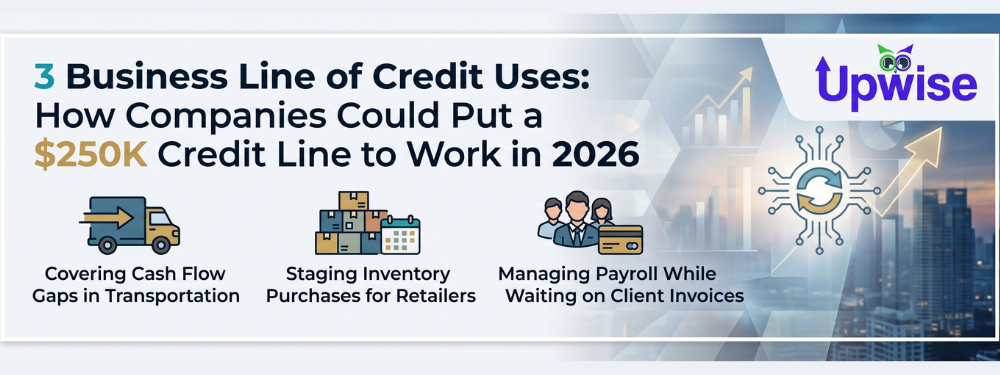
Business Line of Credit ($5,000-$250,000)
Ideal for ongoing AI tool subscriptions:
- Only pay interest on what you use
- Revolving credit for flexibility
- Quick access to funds
SBA 7(a) Loans ($50,000-$5 Million)
For comprehensive digital transformation:
- Lowest rates starting at 6.75%
- Finance software, hardware, and working capital
- Terms up to 25 years
Working Capital Loans ($100,000-$10 Million)
Fast funding for immediate needs:
- Same-day approval possible
- Minimal paperwork
- Bad credit accepted









One Comment
The practical point about starting with one measurable workflow is useful. Generative tools are also changing how teams prepare short product and training videos; cleaning up a distracting background before cropping a talking-head recording can make the same asset easier to reuse across a landing page, social post, or internal tutorial without adding another shoot.