













LLC VS S corp Header

Choosing the Right Path: LLC vs. S Corp for Your Small Business

Navigate

Setting up a business involves many crucial decisions, and perhaps none is more impactful than choosing your business structure. This choice influences everything from your day-to-day operations and personal liability to how much you pay in tax and your ability to raise money.

Another common option is the sole proprietorship, a simple and informal business structure that gives the owner complete control over decisions and operations, but does not provide the liability protection offered by LLCs and S Corps.

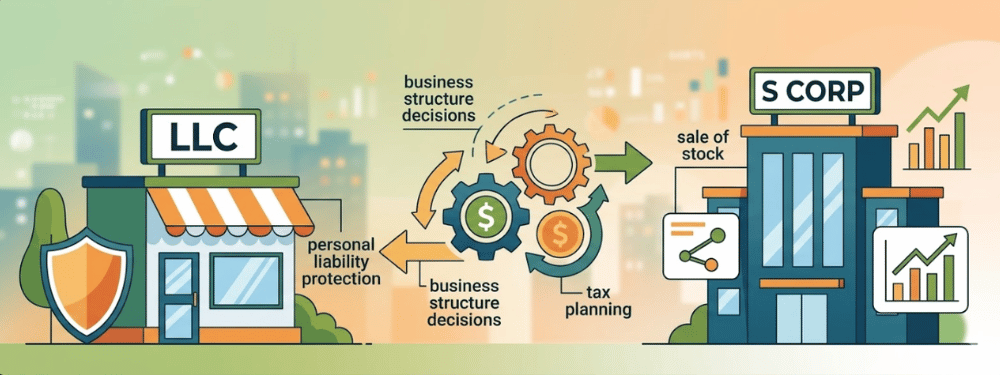
Understanding the fundamental differences between an llc vs s corp is essential for making an informed choice that aligns with your business goals. While they share some characteristics, particularly regarding liability protection, they have distinct operational and tax implications that can significantly affect your company’s trajectory. Unlike corporations, sole proprietorships and LLCs cannot sell stock to raise money, which is an important consideration for businesses seeking outside investment.

Starting with the Basics: LLCs and Asset Protection

Limited Liability and Simplicity

The Limited Liability Company, or LLC, is a highly popular choice for small businesses due to its inherent simplicity, flexibility, and minimal paperwork. LLCs are typically operated by their members, who manage the daily business activities and decision-making. The defining characteristic of an LLC is that it provides its owners, known as members, with robust personal liability protection. This crucial benefit means your personal assets—such as your home or savings—are generally shielded from business debts and legal liabilities. This protection makes LLCs a good choice for medium- or higher-risk businesses where personal asset protection is a primary concern.

LLCs typically require minimal ongoing formalities, such as maintaining an Operating Agreement and completing annual state filings.

Step-by-Step Formation of a Limited Liability Company
The S Corp Path

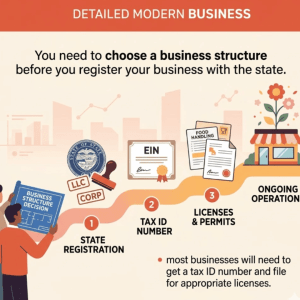
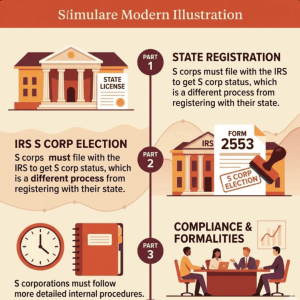
You need to choose a business structure before you register your business with the state. This critical decision forms the foundation of your future operations. Before registering, it’s important to create a business plan that outlines your goals, funding needs, and strategy for growth. Once the decision is made, the actual formation of an LLC is a relatively streamlined operational process. You must first prepare and file the appropriate state forms with your specific states‘ regulatory agency, which is most often the Secretary of State’s office.

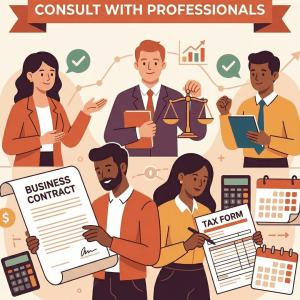
Most businesses will also need to get a tax ID number (EIN) and file for the appropriate licenses and permits to operate legally within their industry and location. Consulting with business counselors, attorneys, and accountants can prove helpful when choosing a business structure and navigating these crucial early stages. Keep in mind that ownership rules, liability, taxes, and filing requirements for each business structure can vary by state, so local expertise is invaluable.

It is essential to understand that an LLC can have a limited life in many states. This feature might require dissolution and re-formation of the llc with new membership under certain conditions, such as when a member joins or leaves the company. This process is distinct from how a corporation operates. Many business owners plan to start as an LLC for simplicity and later elect S corp status using IRS Form 2553 when profits are high enough.

Ongoing Compliance for LLC vs S Corp and Management
Flexible Profits LLV vs Scorp

Minimal Formalities and Flexible Management of an LLC

A major advantage of choosing an LLC is preferable for low administrative costs and flexibility while starting out. LLCs typically require minimal ongoing formalities compared to corporations. This difference is visually and operationally distinct. LLCs are designed for simplicity and do not have to follow the same strict operational processes as S corporations. They have fewer formalities and do not require board meetings or annual shareholders‘ meetings.

However, effective management of an LLC still requires a range of skills, including organizational and technical expertise, to ensure smooth operations and business success.

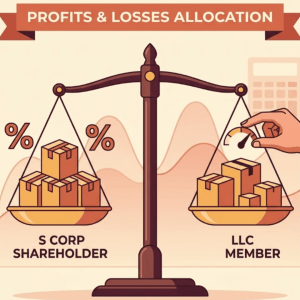
Additionally, LLC owners (members) have extensive flexibility in how they choose to manage their day-to-day operations. One significant area of flexibility is how they distribute profits and losses. Unlike S corporation shareholders who receive profits strictly based on their ownership percentage, LLC members can allocate profits and losses in a flexible manner.

 

LLC Loan Approved

Apply Now for a Loan Today!

Upwise Capital Logo

Stepping Up: The S Corp Election and Tax Savings

Navigating the Key Differences

Choosing an S Corp Election for Self-Employment Tax Benefit

This s corp election offers unique advantages, primarily related to self employment taxes. Like an LLC, an S Corp is a “pass-through” entity. This means profits and some losses pass through directly to shareholders‘ personal income tax returns without being subject to corporate tax rates (double taxation). The key distinction is how owners are paid.

In an S Corp, owners who work in the business are treated as employees and must receive a “reasonable salary.” Self employment taxes (Medicare and Social Security) are only paid on this salary, not on the remaining profits distributed as dividends. Members of an LLC are considered self-employed and must pay self-employment tax contributions towards Medicare and Social Security. This structure may have preferable self employment taxes compared to LLCs because the owner can be treated as an employee and paid a reasonable salary. S Corp profits are reported on the owner’s personal tax return, which can impact your overall tax liability depending on your total income and deductions. Choosing an S Corp is advisable if business profits exceed a reasonable salary, justifying the extra compliance costs. The potential tax benefit of the s corp election is a powerful tool when timed correctly.

However, obtaining S corp status comes with stricter eligibility requirements and ongoing formalities. To be eligible, a corporation must have no more than 100 shareholders, all of whom must be individuals or certain trusts/estates (no partnerships, corporations, or non-resident alien shareholders). Unlike LLC owners who can allocate profits and losses flexibly, S corporation shareholders receive profits strictly based on their ownership percentage. While corporations can raise funds through the sale of stock, which can be beneficial for attracting employees with stock options, this advantage comes with increased regulation.

Understanding Deductible Expenses for LLCs and S Corps

LLC Formation and Growth

One of the most effective ways for small business owners to reduce their income tax burden is by taking full advantage of deductible expenses. Deductible expenses are ordinary and necessary costs that a business incurs in the course of its operations, and the IRS allows these to be subtracted from your company’s income before calculating how much tax you owe. Both LLCs and S Corps can benefit from a wide range of deductions, which can translate into significant tax savings and a stronger bottom line.

Common deductible expenses include costs related to the business use of your home, travel for business purposes, equipment purchases, and even certain professional services. For example, if you purchase new computers or software to streamline your operations, or if you travel to meet with clients, these expenses may be eligible for deduction. The key advantage here is that by claiming all eligible deductions, you can lower your taxable income and keep more of your hard-earned money in your business.

To maximize this tax benefit, it’s essential to keep detailed and accurate records of all business expenses and to follow IRS guidelines closely. Proper documentation not only ensures you’re prepared in case of an audit but also helps you identify every possible deduction you’re entitled to claim. Consulting with an accountant or tax professional and applying practical tax tips for small business owners is highly recommended—they can help you navigate the complexities of deductible expenses, ensure compliance, and make sure you’re taking advantage of every tax benefit available to your business structure.


Considering Market Demand When Choosing Your Business Structure

When selecting the right business structure for your company, it’s important to look beyond just legal and tax considerations—market demand and industry trends should play a key role in your decision. For small business owners, aligning your business structure with the realities of your market can provide a significant advantage, especially in industries experiencing high demand or rapid growth.

For example, if your business operates in a high-demand sector with low startup costs, such as consulting or online services, forming an LLC can offer the flexibility and simplicity you need to get started quickly. On the other hand, if your company is in an industry where raising money by selling stock is crucial for expansion—such as technology or certain service industries—an S Corp structure may be more attractive to investors and provide greater opportunities for growth.

S Corps can also be particularly beneficial for profitable businesses in high-demand markets, as they allow owners to take advantage of pass-through taxation and potentially reduce self employment taxes. However, it’s important to consider the differences in ownership restrictions and compliance requirements between an LLC and an S Corp. For instance, S Corps have limitations on the number and type of shareholders, which may impact your ability to bring on new partners or investors as your company grows.

By carefully analyzing your industry, the level of market demand, and your long-term growth goals, you can choose a business structure that positions your company for success. Whether you prioritize the ability to raise money, minimize taxes, or maintain operational flexibility, understanding these factors will help you make an informed decision that supports your business’s profitability and growth in a competitive market.

Conclusion: Making the Informed Choice

Professional Consultation S-corp vs LLC

Ultimately, your business structure depends heavily on your specific business type, size, and long-term plans. The choice of business structure affects how much you pay in taxes and your level of risk. Ownership rules, liability, taxes, and filing requirements can vary by state, adding another layer of complexity. Changing your business structure in the future may result in tax consequences and complications, so it is important to choose wisely from the beginning. You need to weigh the simplicity and flexibility of an LLC against the potential tax savings and capital-raising potential of an S Corp.

Understanding the needs and behaviors of both consumers and customers is crucial when deciding which structure best supports your business goals and market opportunities.

  • Choose an LLC if: You value low administrative costs and flexibility while starting out. It’s ideal for simpler businesses or those where profits may not immediately justify the S Corp complexities.
  • Choose an S Corp Election if: Your business profits exceed what would be considered a reasonable salary for your role, meaning the potential savings on self employment taxes would outweigh the additional accounting and compliance costs. The corp election is a powerful tool when timed correctly.

As you make your decision, consider how you can create a business that meets the specific needs of your target market to attract and retain loyal customers.

Many small business owners start as an LLC for simplicity and later elect S corp status using IRS Form 2553 when their income reaches a point where the tax benefit becomes clear. Transparency is especially important for certain business structures, such as benefit corporations, which may require annual reports to demonstrate their contribution to the public good. Seek advice from professional business counselors, attorneys, and accountants can prove helpful when choosing a business structure, ensuring you pick the optimal path for your venture’s success.

SHARE

Take advantage of an 85% approval rate - act now!

Match with the perfect loan for your business.

Name(Required)

Leave a Reply

Your email address will not be published. Required fields are marked *

Other Articles You May Want to Read