













Equipment Lease Header

Accelerate Your Growth: A Guide to the Equipment Lease
Navigate

Accelerate Your Growth: A Guide to the Equipment Lease

Equipment upgrades

For modern companies, especially small and mid-sized enterprises, having access to cutting-edge tools is not just about convenience; it is about survival. However, the sheer cost of acquiring equipment outright can sometimes hinder progress, draining essential working capital and threatening cash flow. This is precisely where a strategic equipment lease becomes an indispensable tool, offering a pathway to business critical assets without the heavy financial burden of ownership. By transforming large upfront costs into manageable monthly payments, equipment leasing works as a powerful catalyst for business acceleration.

Understanding how a structured equipment lease operates is the first step toward unlocking its potential. Traditional financing paths through traditional banks can be cumbersome, often involving extensive loan applications and large down payments. An equipment lease, in contrast, is fundamentally different. It represents a rental agreement between a business (the lessee) and a leasing company (the lessor). The business gains the right to use the equipment for a set period, also known as the lease term, in exchange for regular payments.

This structure offers several strategic advantages, often referred to as equipment leasing pros. The primary benefit is the preservation of capital and cash flow. Instead of depleting cash reserves on a single, massive purchase, a business can allocate those funds toward other critical operational goals, such as marketing, research, or hiring.

Strategic Benefits and Financial Advantages
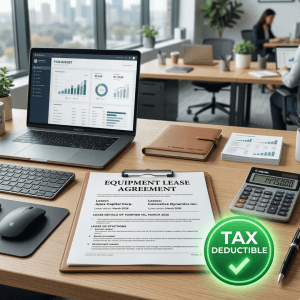
Equipment Lease Agreement and Tax deductible


The financial appeal of an equipment lease extends beyond mere cash flow management. Monthly payments on a lease are frequently lower than those required by traditional equipment financing or conventional business loan products. These lower monthly payments make it easier for businesses to budget effectively and maintain a healthy balance sheet.

From a tax perspective, an equipment lease can offer compelling advantages. Lease payments are often considered an operational expense, meaning they may be fully deductible as rent on your business taxes. This is different from the depreciation deductions associated with owning equipment outright. While a conventional equipment loan allows a business to build equity, leasing can provide immediate, powerful tax benefits that free up even more capital.

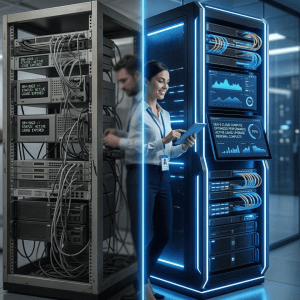
Equipment financing solutions like leasing are dynamic and adapt to your business needs. As market conditions shift and technology advances, having the flexibility to upgrade equipment easily is vital. If your business relies on assets that obsolete quickly, such as advanced technology or specialized medical machinery, a short-term equipment lease is invaluable. When the lease term ends, you can simply return the old model and seamlessly transition to the newest version, ensuring your operations are never held back by outdated equipment.


Understanding Different Lease Structures

Medical Equipment upgrades


Not all lease agreements are the same. It’s essential to choose a structure that aligns with your specific financial and operational goals. Partnering with a leasing company that has deep industry expertise is crucial here, as they can help you navigate these choices. Let’s break down the primary types of equipment leases:

The Fair Market Value (FMV) Lease

The FMV lease, also known as a true lease or a type of operating lease, is designed for maximum flexibility and the lowest possible monthly payments. This structure is ideal if your priority is cash flow preservation and you do not necessarily intend to keep the equipment at the end of the term. Because the leasing company factors in a residual value for the asset, your monthly financing costs are minimized. At the lease end, you have options: you can return the equipment, renew the agreement, or purchase the equipment at its fair market value.
LLC Loan Approved

Apply Now for a Loan Today!

Upwise Capital Logo

The $1 Buyout Lease (or Capital Lease)

In contrast to the FMV lease, a $1 Buyout lease is structured more like a traditional purchase. This is a form of capital lease where you use the equipment during the term and, upon its conclusion, you purchase the equipment for a nominal price (often just one dollar). This structure is most beneficial if you know you will want to own the asset long-term. From an accounting perspective, a capital lease may appear on your balance sheet, and it allows for tax deductions under specific codes like Section 179 and Bonus Depreciation, combining the structure of a lease with the ultimate goal of ownership.

Specialty Leases and Rental Agreements

Lenders often provide more creative solutions tailored to unique industries. For example, a TRAC lease is commonly used for commercial vehicles, offering specific tax advantages related to depreciation. For those with highly flexible or extremely temporary needs, a simple rental agreement offers the ultimate form of operational goals agility, typically without a purchase option. These highly tailored solutions are designed to meet diverse business operational demands, from acquiring heavy equipment for construction to upgrading office technology and vehicles.


How Equipment Leasing and Financing Drive Your Business Forward

Equipment upgrade

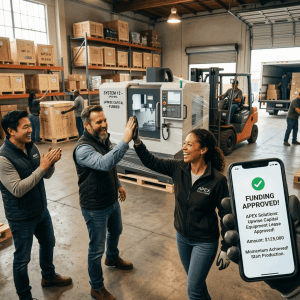
Securing the necessary asset to grow shouldn’t be a multi-month ordeal. Fast equipment financing solutions, including dynamic leasing programs, can provide approval in hours and funding in days. This rapid turnaround minimizes downtime and ensures you can seize opportunities as they arise. The right financing structure can even cover soft costs like shipping and installation, providing true 100% project financing.

When evaluating your options, think beyond just the cost of the payments. Consider the value of operational flexibility, the protection against obsolescence, and the tax advantages. A trusted leasing partner won’t just offer a loan; they will work to structure solutions that support your long term planning and overall strategy.

A high-quality lease agreement should feature transparent terms, clearly detailing the lease term, repayment schedule, and your options at the end of the term. Leasing companies that offer such transparent terms build trust and help businesses manage risk.

Summary: Your Strategic Capital Advantage

Leveraging an equipment lease is fundamentally about making more sense of your capital. It’s a choice to convert what would be a massive, immediate expenditure into predictable, tax-friendly expenses that align perfectly with your asset usage. This strategic use of capital allows small businesses to manage risk, stay competitive with advanced technology, and drive their operations aggressively.

By understanding the difference between an FMV lease and a $1 Buyout lease, and by focusing on your long-term operational goals, you can select the perfect financing blueprint. A smart equipment financing strategy isn’t just about debt; it’s a vital component of successful long term planning, ensuring that your business always has the essential tools needed to maintain its momentum and push business forward.

Disclaimer: Some financing and leasing companies are partnerships, and some information provided in this article may have been created or reviewed in part by those entities. Our content remains unbiased. This article provides general information and should not be considered financial or tax advice.

SHARE

Take advantage of an 85% approval rate - act now!

Match with the perfect loan for your business.

Name(Required)

Leave a Reply

Your email address will not be published. Required fields are marked *

Other Articles You May Want to Read