

















Business expenses do not always follow a convenient schedule. A critical piece of equipment can break, a supplier may offer a limited-time inventory discount, or an unexpected cash flow gap can make it difficult to cover payroll.
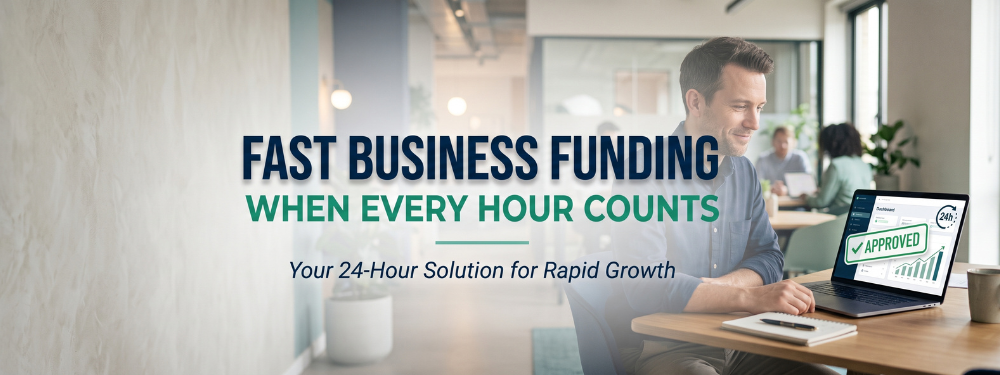
A 24 hour business loan can provide rapid access to capital when waiting several weeks for traditional financing is not practical. These products typically feature a streamlined online application process, minimal paperwork, and funding as soon as the same day or next business day after approval.
However, speed can come at a higher cost. Before accepting fast business funding, small business owners should compare the total repayment amount, payment frequency, fees, and effect on future cash flow.
What Is a 24-Hour Business Loan?
A 24-hour business loan is a general term for commercial financing that may be approved and funded within approximately one business day.
These products are commonly available through alternative online lenders and fintech platforms. Instead of relying only on a minimum credit score, fast-funding providers may review monthly revenue, recent business bank statements, time in business, average bank balances, and overall cash flow.
How Does a 24-Hour Loan Work?
The business completes an online application and provides basic financial information. The lender or financing provider reviews the application, presents available terms, and sends an agreement if the business is approved.
After the borrower signs the agreement, the provider deposits the money into the designated business bank account. Funding speed depends on the provider, product, bank processing schedule, and time at which the agreement is completed.
Does “24 Hours” Guarantee Same-Day Funding?
No. “24-hour funding” generally means qualified applicants may receive funds within one business day after final approval. It is not a guarantee that every application will be approved or funded within exactly 24 clock hours.
Applications submitted late in the day, on weekends, or before bank holidays may take longer. Missing bank statements or other documentation can also delay approval.
Benefits of 24-Hour Business Loans
The primary benefit of a 24 hour business loan is speed, but fast financing may offer several additional advantages.
Capital for Urgent Needs
Fast business loans may help cover urgent needs such as payroll, emergency repairs, rent, supplier invoices, taxes, or an unexpected inventory purchase.
Access to capital can allow a business to address the problem before it interferes with operations or customer service.
Support for Time-Sensitive Opportunities
Quick funding can also help a business capitalize on an opportunity rather than simply respond to an emergency.
For example, a business might use financing to purchase discounted inventory, accept a larger contract, add seasonal employees, or launch a marketing campaign before a major sales period.
Minimal Documentation
Compared with many traditional small business loans, quick funding products usually require less documentation.
Recent business bank statements, proof of identity, and basic company information may be enough to begin the application. Larger loan amounts or more traditional products may require tax returns, financial statements, or a detailed business plan.
Flexible Credit Requirements
Some alternative financing programs consider businesses with a personal FICO score around 500, although eligibility requirements vary significantly by product and lender. Upwise Capital currently lists a 500 minimum FICO score among its baseline requirements for certain financing options. (upwisecapital.com)
A lower credit score does not automatically result in approval. Revenue, deposit history, existing obligations, time in business, and the requested loan amount can all affect the decision.
Potential Drawbacks of Fast Funding
Although rapid funding is valuable, businesses should understand the possible tradeoffs before borrowing.
Higher Borrowing Costs
A fast business loan may have a higher cost than a traditional bank or SBA loan. Providers take on additional risk by making decisions quickly, accepting lower credit profiles, and requesting fewer documents.
Shorter Repayment Periods
Many 24-hour loans are designed for short-term needs. Repayment periods may range from several months to approximately two years, rather than the multiyear terms associated with some bank and SBA financing.
A shorter term may increase the amount the business must pay during each payment period.
Daily or Weekly Payments
Repayment is often collected through automatic daily or weekly withdrawals from the borrower’s bank account.
Frequent payments can simplify repayment, but they can also complicate budgeting. A payment that appears manageable on a monthly estimate may place more pressure on cash flow when collected every business day.
Smaller Funding Amounts
Quick funding products may provide smaller loan amounts than heavily documented commercial loans.
Providers can offer substantial working capital, but businesses seeking several million dollars for real estate or long-term expansion may need a more comprehensive underwriting process.
Common Types of 24-Hour Business Financing
“24-hour business loan” is an umbrella term rather than one specific product. Available financing options may include the following.
Working Capital Loans
Working capital loans provide funding for everyday operating expenses such as payroll, rent, inventory, marketing, and vendor payments.
At Upwise Capital, working capital options may offer funding as fast as the same day, with available amounts and terms determined by the applicant’s qualifications.
Short-Term Business Loans
A short-term loan provides a lump sum that is repaid over a defined period with interest or a fixed fee.
These loans can be useful when a business has a specific purchase or project and knows how much money it needs.
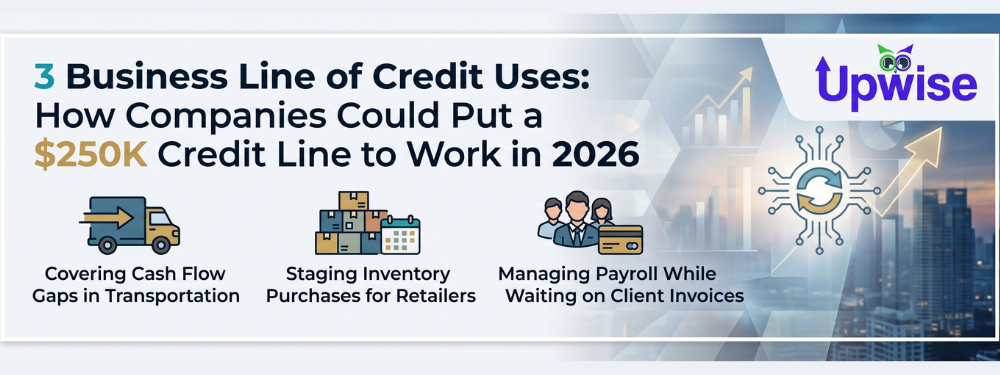
Business Line of Credit
A business line of credit is a revolving line that allows the borrower to draw capital up to an approved credit limit.
Unlike a term loan, the business generally pays interest only on the amount it borrows. After repaying a draw, the available credit may replenish, subject to the agreement.
Merchant Cash Advance
A merchant cash advance is technically not a loan. It is a purchase of a portion of the business’s future receivables.
Repayment, or remittance, may occur through daily or weekly withdrawals or a percentage of future sales. An MCA can provide quick funding, but business owners should carefully review the factor rate and total cost.
Equipment Financing
Equipment financing is used to purchase machinery, vehicles, technology, or other business equipment.
The purchased equipment typically serves as collateral. Because the financing is tied to a specific asset, funding may take longer than an unsecured working capital product, although some programs can close within a few business days.
Invoice Financing
Invoice financing allows a business to access capital based on unpaid customer invoices.
It may be useful for companies with reliable customers but long payment cycles. Instead of waiting 30, 60, or 90 days for a customer to pay, the business can convert eligible receivables into immediate working capital.
SBA Loans
SBA loans are generally not 24-hour business loans. They require more documentation and typically take longer to close, but they may offer competitive rates and longer repayment terms.
Businesses generally must meet SBA size standards, operate for profit in the United States, demonstrate an ability to repay, and have a sound business purpose. SBA 7(a) financing can be used for working capital, equipment, inventory, refinancing, and other approved business purposes.
SBA Microloans
The SBA Microloan program provides loans of up to $50,000 through approved nonprofit intermediaries.
Microloans can support working capital, inventory, supplies, machinery, furniture, and equipment. They are worth considering when cost is more important than receiving funds within 24 hours.
How to Qualify for Fast Business Funding
Every lender establishes its own eligibility requirements, but several factors appear frequently in fast-funding applications.
Minimum Credit Score
Some online financing programs accept a minimum credit score of 500 or higher. Other lenders require stronger credit.
For example, OnDeck currently requires a minimum 625 personal FICO score, while certain Credibly working capital options list minimum scores between 500 and 550, depending on the product or partner. (ondeck.com)
Monthly Revenue
Many fast-financing providers want to see consistent sales and deposits.
Minimum requirements often begin around $15,000 to $20,000 in monthly revenue or average bank deposits. The amount a business can borrow will usually depend partly on its revenue and existing obligations.
Time in Business
Businesses commonly need to be operational for at least six months, although some programs accept younger companies and others require a year or more.
A longer operating history gives the lender more information about revenue patterns, cash flow, and the business’s ability to repay.
Business Bank Account
Applicants generally need an active business bank account.
Using a dedicated account allows the provider to verify deposits, identify existing payment obligations, and deposit approved funds. It also helps business owners separate company finances from personal money.
Collateral Requirements
Many 24-hour business loans do not require physical collateral such as real estate or equipment.
However, “unsecured” does not necessarily mean risk-free. A provider may require a personal guarantee, file a lien against business assets, or base repayment on future receivables.






Recent Comments