













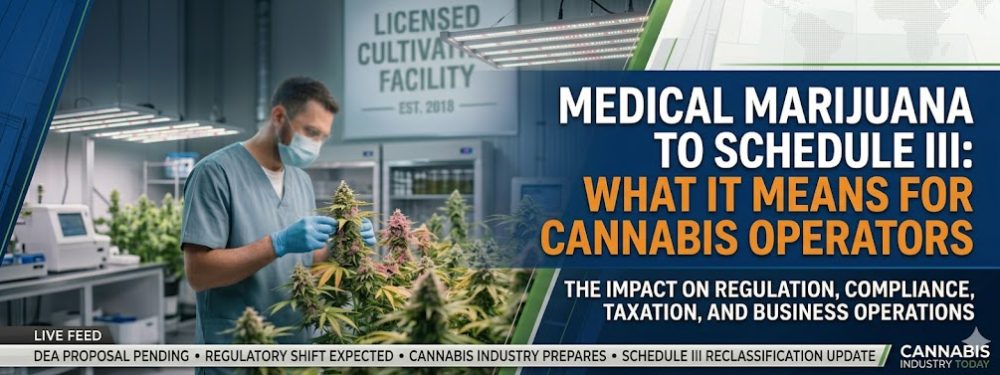
Medical Marijuana to Schedule III What It Means for Cannabis Operators

Trump Administration Push to Reclassify Medical Marijuana to Schedule III: What It Means for Cannabis Operators

Navigate

The potential move by Donald Trump and Attorney General Todd Blanche to reclassify medical marijuana from Schedule I to Schedule III could mark one of the most significant regulatory shifts in the history of the U.S. cannabis industry. For operators, investors, and lenders—especially those working with Upwise Capital—this change isn’t just symbolic. It has real implications for taxes, profitability, and access to financing.

Let’s break down what Schedule III means, how it impacts IRS Code 280E, and why this could unlock new opportunities for cannabis businesses.


Understanding the Shift: From Schedule I to Schedule III

Under the Controlled Substances Act, Schedule I drugs are considered to have no accepted medical use and a high potential for abuse. Cannabis has long been classified alongside substances like heroin and LSD despite widespread state-level legalization.

Reclassifying marijuana to Schedule III would acknowledge its accepted medical use and place it in a category alongside drugs like ketamine or certain anabolic steroids. While it would still be federally regulated, the shift dramatically changes how cannabis businesses are treated, especially from a tax perspective.


The Big One: Relief from 280E

What is 280E?

Section 280E of the Internal Revenue Code prohibits businesses that traffic in Schedule I or II substances from deducting ordinary business expenses. This has been a massive burden for cannabis operators.

Instead of being taxed on net income (revenue minus expenses), cannabis businesses are taxed on gross income with only the cost of goods sold (COGS) deductible.

What Changes Under Schedule III?

If cannabis is reclassified to Schedule III, 280E would no longer apply.

That’s a game-changer.

Operators would be able to deduct:

  • Rent
  • Payroll
  • Marketing
  • Administrative costs
  • Interest expenses

Real-World Impact

For many operators, effective tax rates have ranged from 60% to 80% under 280E. Removing this restriction could:

  • Immediately improve net margins
  • Increase retained earnings
  • Strengthen balance sheets
  • Enhance valuations

For struggling operators, this could be the difference between survival and shutdown.


Tax Advantages: More Than Just Deductions

Beyond 280E relief, Schedule III classification opens the door to standard tax treatment:

1. Normalized Corporate Tax Structure

Cannabis businesses would finally be taxed like any other company, allowing for:

  • Net operating loss (NOL) carryforwards
  • Depreciation and amortization benefits
  • Tax credits and incentives

2. Improved Cash Flow

With lower tax burdens, operators retain more cash—fueling:

  • Expansion
  • Hiring
  • Inventory growth
  • Debt repayment

3. Cleaner Financial Reporting

Without 280E distortions, financial statements become:

  • More transparent
  • Easier to audit
  • More attractive to institutional investors

Apply Now for a Loan Today!

Upwise Capital Logo

Financing Advantages: A New Era for Capital Access

For lenders like Upwise Capital, Schedule III could dramatically reshape the cannabis financing landscape.

1. Reduced Risk Profile

With improved profitability and cleaner books:

  • Default risk decreases
  • Debt service coverage ratios improve
  • Underwriting becomes more predictable

2. Lower Cost of Capital

As risk declines, operators may see:

  • Lower interest rates
  • Longer loan terms
  • Higher borrowing limits

3. Entry of Traditional Lenders

Many banks and institutional lenders have stayed on the sidelines due to federal illegality and compliance concerns.

Schedule III could:

  • Encourage regional and national banks to enter the space
  • Expand credit availability
  • Increase competition among lenders

4. Expanded Product Offerings

Operators could gain access to:

  • SBA-style lending (eventually, depending on further reforms)
  • Equipment financing at better rates
  • Working capital lines of credit
  • Real estate-backed loans

Valuation Uplift and M&A Activity

With stronger earnings and improved tax treatment, cannabis companies could see:

  • Higher EBITDA multiples
  • Increased investor confidence
  • Renewed M&A activity

Private equity and institutional capital, previously hesitant, may begin deploying funds more aggressively into the sector.


Operational Implications for Cannabis Businesses

1. Strategic Reinvestment

Freed-up cash from tax savings can be reinvested into:

  • Retail expansion
  • Vertical integration
  • Brand development

2. Talent Acquisition

With better margins, operators can:

  • Offer competitive salaries
  • Attract experienced executives from other industries

3. Compliance Still Matters

It’s important to note: Schedule III does not mean full legalization.

Operators must still:

  • Comply with FDA regulations (potentially)
  • Follow state licensing rules
  • Maintain strict reporting standards

What This Doesn’t Solve (Yet)

While Schedule III is a major step forward, it doesn’t address everything:

  • Interstate commerce remains restricted
  • Banking reform (SAFE Banking Act) is still needed for full financial normalization
  • State-by-state fragmentation continues

Still, this move would be one of the most impactful federal changes to date.


What Cannabis Operators Should Do Now

If you’re a cannabis business owner, preparation is key.

1. Work with Tax Professionals

Start modeling what your tax liability would look like without 280E.

2. Clean Up Financials

Accurate, GAAP-compliant financials will position you for better financing opportunities.

3. Reevaluate Capital Strategy

With improved margins, consider:

  • Refinancing high-cost debt
  • Expanding operations
  • Pursuing acquisitions

4. Engage Lending Partners Early

Lenders like Upwise Capital can help you:

  • Structure growth capital
  • Optimize debt strategies
  • Prepare for a more competitive financing environment

Final Thoughts

The proposed reclassification of medical marijuana to Schedule III by Donald Trump and Todd Blanche could be a watershed moment for the cannabis industry.

The elimination of 280E alone would unlock significant profitability, while improved access to financing could accelerate growth across the sector.

For operators, this isn’t just policy—it’s opportunity.

And those who prepare now will be best positioned to capitalize on what could be the next major evolution of the cannabis market.

SHARE

Take advantage of an 85% approval rate - act now!

Match with the perfect loan for your business.

Name(Required)

Leave a Reply

Your email address will not be published. Required fields are marked *

Other Articles You May Want to Read