


















Fueling Your Trucking Business Growth: A Complete Guide to Trucking Business Loans

Navigate
The trucking industry forms the backbone of America’s economy, with trucking companies moving over 70% of all freight across the nation. Whether you’re an established owner operator looking to expand your fleet or launching a new business in the transportation sector, securing the right business financing can make the difference between stagnation and sustainable business growth.
For small businesses in the commercial trucking business, understanding the landscape of trucking business loans has never been more critical. From traditional term loans to innovative financing options like freight factoring, today’s trucking business owners have access to diverse funding solutions designed to meet their unique business needs.
The trucking business operates on tight margins and demanding schedules. Cash flow challenges are common, especially when dealing with extended payment terms from clients while managing immediate expenses like fuel, maintenance, and driver wages. This reality makes business loans particularly vital for trucking companies seeking to maintain operations and pursue growth opportunities.
Understanding the Financial Landscape for Trucking Companies
Commercial truck loans represent just one piece of the financing puzzle. Modern trucking companies need comprehensive business funding strategies that address everything from daily working capital needs to long-term equipment financing. The key lies in understanding which loan options align with your specific financial needs and business objectives.
The trucking industry faces unique financial challenges that set it apart from other small businesses. Payment delays, fluctuating fuel costs, and maintenance expenses create constant pressure on working capital. This environment makes access to flexible business loans essential for maintaining smooth operations and capitalizing on growth opportunities when they arise.
For many trucking businesses, the ability to secure appropriate financing determines their competitive edge in the market. Whether you need to purchase new trucks, manage seasonal fluctuations, or expand into new territories, having the right business funding in place enables strategic decision-making and sustainable growth.
Types of Business Loans Available for the Trucking Industry
Equipment Loans and Commercial Truck Financing
Equipment loans remain the most common form of financing for trucking businesses. These specialized truck loans allow companies to purchase new trucks or upgrade existing fleets without depleting working capital. Commercial truck financing typically offers competitive interest rates and repayment terms that align with the useful life of the vehicle.
When considering equipment financing, trucking companies should evaluate both the loan amount and the total cost over the repayment period. Many lenders specializing in commercial truck loans understand the trucking industry’s unique cycles and offer flexible monthly payments that accommodate seasonal fluctuations in revenue.
Equipment loans provide several advantages for trucking businesses. First, they allow you to preserve cash flow while acquiring revenue-generating assets. Second, the commercial truck itself serves as collateral, often resulting in better interest rates compared to unsecured business loans. Third, these loans for trucking companies typically offer terms that match the expected lifespan of the vehicle, ensuring manageable repayment terms throughout the loan period.
SBA Loans and Small Business Administration Programs
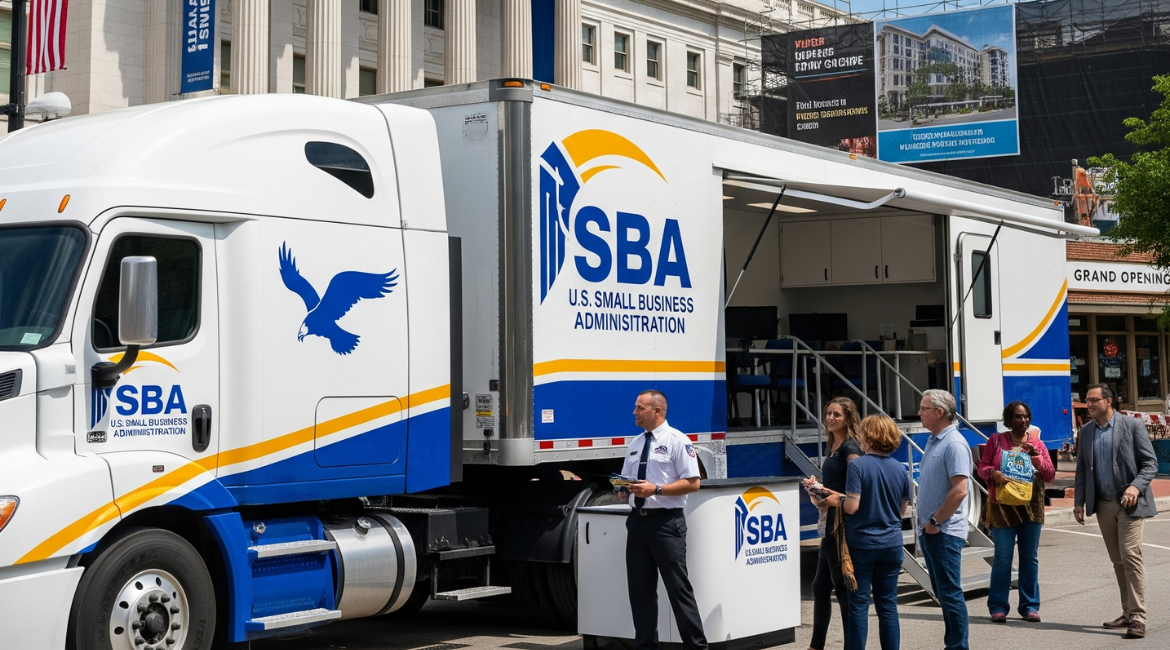
The Small Business Administration offers several loan programs specifically beneficial for small businesses in trucking. SBA loans, particularly the popular 7(a) loans program, provide access to necessary capital with favorable terms. These 7(a) loans can be used for various purposes, from purchasing commercial trucks to refinancing existing business debt.
The 7(a) loans offered through the Small Business Administration typically feature lower interest rates than conventional business loans. For qualified trucking business owners, these programs can provide the financial help needed to establish or expand operations. The maximum loan amount for standard 7(a) loans reaches $5 million, making them suitable for significant business investments.
Beyond the standard 7(a) loans, the SBA offers specialized programs that benefit trucking companies. The 504 loan program, for instance, helps finance commercial real estate and long-term equipment purchases. For trucking businesses looking to purchase facilities or invest in multiple commercial trucks, these SBA loans provide attractive financing with down payments as low as 10% and fixed interest rates that protect against market fluctuations.
Working Capital Loans and Cash Flow Solutions
Working capital loans address the immediate cash flow needs that trucking companies frequently encounter. These business loans provide funds to cover operational expenses while waiting for accounts receivable to be paid. For trucking businesses dealing with 30 to 90-day payment terms from clients, working capital financing can help maintain smooth operations.
Short term business loans offer another solution for immediate financial needs. These loans for trucking companies typically have a shorter repayment period but provide quick access to funds. When you need to improve cash flow rapidly, short term loans can bridge the gap between expenses and revenue.
The trucking business often requires significant working capital to manage daily operations effectively. Fuel costs alone can consume substantial resources, and when combined with driver wages, insurance, and maintenance, the need for consistent cash flow becomes critical. Working capital loans provide the flexibility to manage these expenses while waiting for customer payments, ensuring your trucks keep moving and generating revenue.
Alternative Financing Options
Beyond traditional loans, the trucking business sector has access to innovative funding solutions. A merchant cash advance provides immediate capital based on future debit card sales and revenue projections. While these typically carry higher costs than conventional business loans, they offer speed and flexibility that traditional financing may not provide.
Freight factoring has emerged as a popular financing solution specifically designed for the trucking industry. This option allows trucking services to sell their accounts receivable at a discount for immediate cash, effectively eliminating the wait for customer payments. Freight factoring can significantly improve cash flow without adding debt to your balance sheet.
Business credit cards offer another layer of financial flexibility. While not suitable as a primary financing solution, business credit cards can help manage smaller expenses and provide a buffer for unexpected costs. Many cards designed for small business owners offer rewards programs that benefit trucking companies through fuel discounts or maintenance savings.
Securing the Right Financing for Your Business

Understanding Loan Requirements
Most lenders evaluate several factors when considering loan applications from trucking businesses. Your credit score plays a crucial role in determining both eligibility and interest rates. While excellent credit history opens doors to the best loan terms, options exist even for those with bad credit situations.
Lenders typically require documentation demonstrating your business’s financial health, including bank account statements, tax returns, and proof of consistent revenue. For an existing business, showing stable cash flow over time strengthens your loan application. New business owners may need to provide additional documentation, such as detailed business plans and personal financial statements.
The trucking industry’s specific requirements often influence lender decisions. Demonstrating industry knowledge, proper licensing, and insurance coverage shows lenders you understand the business. For owner operators transitioning to larger operations, showing a track record of successful deliveries and client relationships strengthens your case for trucking business loans.
Choosing Between Different Loan Options
The choice between a term loan and a line of credit depends on your specific business needs. Term loans provide a lump sum with fixed repayment terms, ideal for purchasing commercial trucks or other major investments. These loans for trucking companies offer predictability with set monthly payments throughout the loan terms.
A business line of credit, conversely, offers flexibility to draw funds as needed. This revolving line of credit allows you to pay interest only on the amount used, making it excellent for managing variable working capital needs. A revolving credit arrangement can provide the competitive edge needed to take advantage of unexpected opportunities or weather temporary downturns.
Consider your business cycle when selecting financing options. If your trucking business experiences seasonal variations, a line of credit might better serve your needs than term loans with fixed monthly payments. Alternatively, if you’re purchasing specific equipment like new trucks, equipment loans with structured repayment terms aligned to the asset’s useful life make more sense.
Maximizing Your Loan Amount
To secure the maximum loan amount possible, prepare thoroughly before applying. Improve your credit score by addressing any outstanding issues on your credit history. Demonstrate strong financial management by maintaining organized records and showing consistent revenue growth. When the lender approves your application, they want confidence that your trucking business can manage the loan proceeds responsibly.
Understanding how different loans for trucking companies calculate their maximum loan limits helps set realistic expectations. Equipment loans typically finance up to 100% of the commercial truck’s value, while working capital loans might offer amounts based on monthly revenue. SBA loans have specific maximum loan amounts depending on the program, with 7(a) loans offering up to $5 million for qualified borrowers.
Building relationships with multiple lenders can also help maximize your borrowing potential. Different lenders specialize in various aspects of trucking business loans, and having options ensures you can access the best terms for your specific situation. Some lenders may offer higher loan amounts for established businesses, while others focus on helping new truck drivers enter the industry.
Strategic Use of Business Funding
Fleet Expansion and Modernization
Trucking business loans enable strategic fleet expansion when market conditions favor growth. Financing new trucks through equipment loans allows you to preserve working capital while adding revenue-generating assets. Modern commercial trucks offer better fuel efficiency and lower maintenance costs, potentially improving your profit margins over time.
For owner operators looking to expand into a larger trucking business, strategic use of business loans can facilitate the transition. Starting with one additional truck financed through commercial truck loans, you can gradually build a fleet while maintaining positive cash flow.
The decision to expand your fleet requires careful analysis of market demand and your operational capacity. Business funding should align with confirmed contracts or demonstrated market opportunity. Many successful trucking companies use a combination of term loans for truck purchases and working capital loans to support the increased operational demands of a larger fleet.
Technology and Infrastructure Investment

Today’s trucking companies need more than just trucks to remain competitive. Business funding can support investments in logistics software, GPS tracking systems, and other technology that enhances operational efficiency. These improvements often lead to better customer service and increased profitability, justifying the loan amount invested.
Electronic logging devices, route optimization software, and maintenance tracking systems represent critical investments for modern trucking businesses. While these technologies require upfront capital, they often pay for themselves through improved efficiency and reduced violations. Business loans can make these investments possible without straining daily cash flow.
The trucking industry continues evolving with new safety requirements and environmental regulations. Having access to business financing ensures you can adapt to these changes proactively rather than reactively, maintaining compliance while preserving your competitive position in the market.
Managing Seasonal Fluctuations
The trucking industry often experiences seasonal variations in demand. Having access to a line of credit or working capital loans helps manage these fluctuations without disrupting operations. During slower periods, you can draw on your revolving line to maintain low monthly payments on fixed expenses, then repay when business picks up.
Seasonal planning should incorporate financing strategies that provide flexibility. A business line of credit offers the ability to access funds when needed without paying interest on unused amounts. This revolving credit structure perfectly suits the cyclical nature of many trucking businesses, providing financial stability throughout the year.
For trucking companies serving seasonal industries like agriculture or retail, understanding these patterns helps optimize financing decisions. Securing appropriate business loans before peak seasons ensures you have the capacity to meet increased demand, while flexible repayment terms help manage slower periods without financial strain.
Navigating the Application Process

Preparing Your Documentation
The loan application process for trucking business loans requires preparation and attention to detail. Start by gathering all necessary documentation, including financial statements, tax returns, and business licenses. Having these ready streamlines the process when you’re ready to receive funds.
Essential documents for most business loan applications include profit and loss statements, balance sheets, and cash flow projections. For trucking businesses, additional documentation might include DOT numbers, insurance certificates, and vehicle registrations. Organizing these materials in advance demonstrates professionalism and can expedite the lender’s review process.
Your credit score significantly impacts loan approval and terms. Before applying, obtain your credit report and address any errors or issues. If your credit score needs improvement, consider waiting to apply or exploring bad credit loan options specifically designed for businesses rebuilding their credit history.
Comparing Lenders and Terms
Most lenders now offer online applications, allowing you to apply for multiple loan options simultaneously. This approach helps you compare interest rates, repayment terms, and other loan terms across different providers. Remember that each application may impact your credit score, so research thoroughly before submitting multiple applications.
When evaluating offers, look beyond just the interest rates. Consider the total cost over the repayment period, any prepayment penalties, and the flexibility of repayment terms. Some trucking business loans offer seasonal payment structures that align with industry cycles, potentially easing cash flow management.
Different lenders specialize in various aspects of trucking business financing. Traditional banks might offer the best rates for established businesses with strong credit, while alternative lenders may provide faster funding with more flexible requirements. Online lenders have revolutionized small business loans, offering quick decisions and funding that can help trucking companies seize time-sensitive opportunities.
Understanding the Fine Print
Before accepting any loan offer, carefully review all terms and conditions. Pay particular attention to prepayment penalties, default provisions, and any restrictions on how you can use the loan funds. Some equipment financing agreements may require specific insurance coverage or maintenance schedules for financed commercial trucks.
Interest rates represent just one component of your loan’s total cost. Factor in origination fees, processing charges, and any ongoing maintenance fees. For merchant cash advances, understand the factor rate and how it translates to an effective annual percentage rate. This comprehensive understanding ensures you select the most cost-effective financing solution for your trucking business.
The repayment period significantly impacts both your monthly payments and total loan cost. Longer terms reduce monthly payments but increase total interest paid. Shorter terms mean higher monthly payments but lower overall costs. Balance these factors against your cash flow projections to determine optimal loan terms for your situation.
Building Long-term Financial Success

Establishing Strong Lender Relationships
Successful trucking companies view business loans as tools for strategic growth rather than just emergency funding. By carefully selecting financing options that align with your business model, you can build a stronger, more resilient operation. Whether you’re new truck drivers entering the industry or established trucking companies seeking expansion, the right financing strategy supports long-term success.
Regular review of your financing arrangements ensures they continue serving your business needs effectively. As your credit score improves and your business grows, you may qualify for better loan terms. Refinancing existing truck loans or consolidating multiple small business loans can reduce costs and simplify financial management.
For trucking businesses, maintaining strong relationships with lenders provides advantages beyond just access to capital. These relationships can provide financial guidance, introduce you to other business resources, and offer flexibility during challenging periods. Many lenders specializing in the trucking industry understand the unique challenges you face and can provide tailored solutions.
Planning for Growth and Expansion
As the trucking industry evolves with new regulations, technology, and market demands, having access to flexible business financing becomes increasingly important. Whether adapting to environmental regulations requiring new trucks or expanding into new markets, the ability to secure appropriate trucking business loans positions your company for success.
Consider establishing financing relationships before you need them. Opening a business line of credit or establishing relationships with equipment financing companies provides ready access to capital when opportunities arise. This proactive approach means you can move quickly when the right commercial truck becomes available or when a profitable contract requires rapid fleet expansion.
Strategic financial planning should incorporate both short-term and long-term objectives. While working capital loans address immediate needs, equipment loans and term loans support long-term asset acquisition. Balancing these different types of business funding creates a comprehensive financing strategy that supports sustainable growth.
Leveraging Financial Tools for Competitive Advantage
The trucking business landscape continues offering opportunities for those prepared to seize them. With proper planning and strategic use of business loans, trucking companies of all sizes can navigate challenges and capitalize on growth opportunities. From owner operators purchasing their first commercial truck to established companies modernizing entire fleets, the right financing makes business forward movement possible.
Understanding your financing options, maintaining good financial practices, and building strong lender relationships creates a foundation for sustainable growth. Whether you need short term loans to manage temporary cash flow challenges or long-term equipment financing for fleet expansion, the diverse array of trucking business loans available today can support your journey toward greater success in this essential industry.
Modern trucking businesses must balance operational efficiency with financial flexibility. Access to appropriate business funding enables investments in fuel-efficient vehicles, advanced logistics technology, and driver retention programs. These investments, supported by strategic use of business loans, create competitive advantages that translate into increased profitability and market share.
Preparing for Future Growth

Adapting to Industry Changes
The transportation business continues evolving rapidly, driven by technological advancement, regulatory changes, and shifting market demands. Electric and autonomous vehicles represent future considerations that will require significant capital investment. Having established financing relationships and strong credit positions your trucking business to adapt to these changes proactively.
Environmental regulations increasingly influence equipment decisions in the trucking industry. Many states implement stricter emissions standards, requiring upgrades or replacements of older commercial trucks. Business loans specifically designed for green initiatives often offer favorable terms, helping trucking companies modernize their fleets while managing costs effectively.
The rise of e-commerce continues driving demand for trucking services, but also introduces new challenges. Last-mile delivery requirements, tighter delivery windows, and increased customer expectations require operational adaptations. Access to flexible business funding ensures your trucking business can invest in the capabilities needed to serve these evolving market demands.
Optimizing Financial Performance
Regular financial analysis helps identify opportunities to optimize your use of business loans and improve overall performance. Monitor key metrics like revenue per mile, fuel efficiency, and driver utilization to ensure your financed assets generate expected returns. This data-driven approach supports better decision-making regarding future trucking business loans and investments.
Consider how different financing options impact your financial statements and tax situation. Equipment loans may offer depreciation benefits, while leasing arrangements might preserve capital for other investments. Consulting with financial advisors familiar with the trucking industry ensures you maximize the benefits of your chosen financing strategy.
Maintaining adequate working capital reserves alongside your business loans provides operational flexibility. This financial cushion helps manage unexpected expenses without relying on emergency financing options that might carry unfavorable terms. Building these reserves should be part of your overall financial strategy, supported by appropriate use of business funding.
Building a Sustainable Business Model
Long-term success in the trucking business requires balancing growth ambitions with financial sustainability. While trucking business loans enable expansion and modernization, over-leveraging can create cash flow challenges that threaten business stability. Careful planning ensures that loan payments remain manageable even during industry downturns.
Diversification strategies often require additional capital but can reduce business risk. Whether expanding service offerings, entering new geographic markets, or serving different customer segments, business loans provide the necessary capital for strategic diversification. This approach creates multiple revenue streams that enhance financial stability.
The trucking industry rewards businesses that combine operational excellence with sound financial management. By leveraging appropriate business funding strategically and responsibly, your trucking business can maintain the working capital necessary for daily operations while investing in the assets and capabilities that drive long-term profitability.
Conclusion: Driving Your Business Forward
The road ahead for trucking companies presents both challenges and opportunities. Rising operational costs, driver shortages, and regulatory compliance requirements demand careful financial planning and access to appropriate capital. Trucking business loans, when used strategically, provide the financial foundation needed to navigate these challenges successfully.
Whether you’re an owner operator taking your first steps toward fleet ownership or an established trucking business planning major expansion, understanding your financing options is crucial. From SBA loans offering favorable terms for qualified borrowers to quick-funding merchant cash advances for immediate needs, today’s financing landscape offers solutions for every situation.
The key to success lies in matching the right financing solution to your specific business needs. Equipment loans excel for truck purchases, while working capital loans manage cash flow gaps. A business line of credit provides ongoing flexibility, and freight factoring eliminates payment delays. Understanding these options empowers better financial decisions.
Our team at Upwise Capital is here to assist you with every step of the way to secure whatever funding is needed to help your business grow. If you have any questions regarding how truck financing works, please call our team at 77-55-UPWISE or email [email protected]. You can also apply online for trucking loans, so you can get back to work and running your business.
So…What do you think?
We want to hear from you. What do you think of this article and was it helpful in your search for truck financing?
Let us know by leaving a reply below. Feel free to share this article on your social media.
SHARE
Other Articles You May Want to Read





Recent Comments