



















Finding the Right Loan for Your LLC: Strategies and Insights

by Joe Lustberg
Navigate
Starting and growing limited liability companies (LLCs) often requires significant financial resources. Whether you’re launching a new venture or expanding an existing one, securing the right type of loan can be crucial to your success. This comprehensive guide delves into everything you need to know about loans for LLCs, including types of loans, qualification criteria, and tips for preparing your loan application. Let’s explore how you can fuel your business growth with the right financing solutions.
What is an LLC?
A Limited Liability Company (LLC) is a popular business structure in the United States that combines the liability protection of a corporation with the tax benefits and operational flexibility of a partnership or sole proprietorship. LLCs protect owners (known as members) from personal liability for business debts and claims, meaning personal assets are generally not at risk if the business faces financial difficulties.
Types of Loans Available for LLCs

LLCs can access various types of loans, each suited to different business needs and stages of growth. Here are some common options:
Business Term Loans: These are lump-sum loans repaid over a fixed term with regular payments. They’re suitable for significant investments like purchasing equipment or expanding facilities.
Business Lines of Credit: These provide flexible access to funds up to a certain limit, offering a revolving credit line. You only pay interest on the amount you draw, making them ideal for managing cash flow or covering unexpected expenses. A line of credit can be a potential solution for situations where a traditional loan may not be accessible, but it should be used responsibly to avoid financial strain.
SBA Loans (Small Business Administration): These government-backed loans offer favorable terms and lower interest rates. They include various programs like the 7(a) loan for general business purposes and the 504 loan for real estate and equipment.
Equipment Financing: This type of loan is used to purchase business equipment, where the equipment itself serves as collateral.
Invoice Financing: Also known as accounts receivable financing, this allows businesses to borrow against outstanding invoices, providing immediate cash flow.
How to Qualify for a Loan as an LLC
Securing a loan requires meeting certain qualifications. Lenders evaluate various criteria to determine your eligibility and the terms of the loan.
Credit Score Requirements
Personal Credit Score: Since LLCs are typically smaller businesses, lenders often consider the personal credit scores of the owners. A higher personal credit score can improve your chances of approval and better loan terms. Additionally, many lenders require a minimum credit score of 600 or above for SBA loan eligibility, along with other criteria such as years in business and annual revenue.
Business Credit Score: Establishing a strong business credit profile is also important. Business credit scores reflect your company’s creditworthiness based on its financial history. Monitoring and improving these scores can help you obtain favorable terms with lenders and vendors. Understanding the different scoring ranges from various business credit reporting agencies and knowing what constitutes a good business credit score for an LLC are crucial steps in building business credit.
Financial Documentation Needed
Business Plan: A detailed business plan outlines your business model, market analysis, financial projections, and growth strategies. It demonstrates to lenders that you have a clear plan for success.
Financial Statements: Lenders will require recent financial statements, including your balance sheet and income statement, to assess your business’s financial health.
Tax Returns: Providing several years of personal and business tax returns helps lenders verify your income and evaluate your financial stability.
Other Eligibility Criteria
Time in Business: Many lenders prefer to work with businesses that have been operating for at least a year or two. This demonstrates stability and a track record of revenue generation.
Annual Revenue: Lenders will look at your annual revenue to ensure you have the capacity to repay the loan. Higher revenue can increase your chances of approval and favorable terms.
Personal Guarantee: When applying for a loan, you may be required to provide a personal guarantee. This means you are personally liable for repaying the loan if your business fails, which can void some of the liability protections normally provided by the LLC structure.
Best Loans for Startups and New LLCs
Securing financing as a startup or new LLC can be challenging, but there are options designed to support early-stage businesses. One such option is small business loans, which can help cover operational costs, expand the business, purchase necessary equipment, manage cash flow during slower business periods, and consolidate business debt.
Startup Loans
Microloans: These are small, short-term loans offered by non-profit organizations and the SBA. They are designed to help small businesses and startups with initial funding needs.
Personal Loans for Business Use: If traditional business loans are not an option, using personal loans for business purposes can be an alternative. However, this approach carries personal financial risk.
Alternative Financing Options
Crowdfunding: Platforms like Kickstarter and Indiegogo allow businesses to raise funds from a large number of people, typically in exchange for early access to products or other rewards.
Angel Investors: These are individuals who provide capital to startups in exchange for equity ownership or convertible debt. They often bring valuable expertise and connections.
Venture Capital: Venture capital firms invest in startups with high growth potential in exchange for equity. This option is more suitable for businesses with scalable models and significant market opportunities.
SBA Loans for LLCs
The Small Business Administration (SBA) offers several loan programs designed to support small businesses, including LLCs. However, securing SBA loans can be challenging for individuals with bad credit, making it crucial to improve credit scores to increase the chances of approval.
Overview of SBA Loan Programs
7(a) Loan Program: The SBA’s most popular loan program, offering funds for various business purposes such as working capital, equipment purchase, and real estate acquisition.
504 Loan Program: This program provides long-term, fixed-rate financing for major assets like real estate and large equipment. It aims to promote economic development and job creation.
Microloan Program: These loans are designed for small businesses and startups needing smaller amounts of capital. They can be used for working capital, inventory, supplies, furniture, fixtures, machinery, and equipment.
Benefits of SBA Loans
Lower Interest Rates: SBA loans typically offer lower interest rates compared to conventional loans because they are partially guaranteed by the government, reducing the risk for lenders.
Longer Repayment Terms: SBA loans often come with longer repayment terms, which can make monthly payments more manageable and improve cash flow for your business.
Flexible Uses: SBA loans can be used for a wide range of business purposes, including purchasing inventory, real estate, equipment, and refinancing existing debt.
Support and Resources: The SBA provides additional resources and support for small business owners, including counseling, training, and assistance with the loan application process.
Comparing Lenders for LLC Loans
Choosing the right lender is critical to securing favorable loan terms and ensuring a smooth borrowing experience.
Traditional Lenders vs. Online Lenders
Banks and Credit Unions: Traditional lenders such as banks and credit unions typically offer lower interest rates and longer terms. However, their approval process can be more stringent and time-consuming, requiring extensive documentation and a strong credit history. Securing an LLC loan from a bank or credit union often involves detailed financial statements and collateral.
Online Lenders and Fintech Companies: Online lenders often provide faster approval and funding times, with more flexible eligibility criteria. They can be a good option for LLCs that need quick access to capital or have less-than-perfect credit. However, interest rates may be higher compared to traditional lenders. Securing an LLC loan from an online lender usually involves a simpler application process and quicker disbursement.
Factors to Consider When Choosing a Lender
Interest Rates: Compare the annual percentage rates (APRs) offered by different lenders. Lower interest rates can significantly reduce the total cost of the loan.
Loan Terms: Consider the length of the repayment period and the flexibility of the repayment schedule. Longer terms can lower monthly payments but may result in higher overall interest costs.
Fees and Charges: Be aware of any additional fees, such as origination fees, prepayment penalties, and late payment charges. These can add to the total cost of the loan.
Preparing Your LLC for a Loan Application
Thorough preparation can improve your chances of securing a loan and obtaining favorable terms.
Improving Your Credit Score
Personal Credit Score: Pay off outstanding debts, avoid new credit applications, and ensure timely payments on all accounts to boost your personal credit score.
Business Credit Score: Establish trade lines with suppliers, open a business credit card, and ensure timely payments on all business-related debts to build a strong business credit profile.
Strengthening Your Business Plan
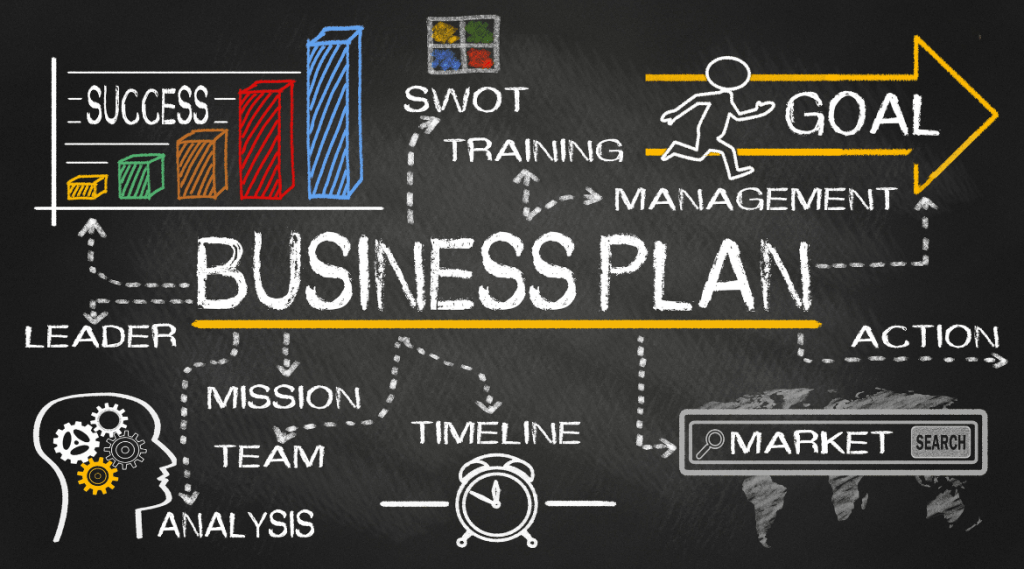
A robust business plan is essential for convincing lenders of your business’s viability and growth potential. Key elements include:
Executive Summary: A concise overview of your business, its mission, and objectives.
Market Analysis: Detailed research on your industry, target market, and competitive landscape.
Organization and Management: Information about your business structure, ownership, and management team.
Products or Services: Description of what your business offers, including features, benefits, and unique selling points.
Marketing and Sales Strategy: Plans for promoting and selling your products or services.
Financial Projections: Detailed forecasts of revenue, expenses, and cash flow for the next 3-5 years.
Gathering Necessary Documentation
Ensure you have all the required documents ready before applying for a loan. A checklist may include:
Business Plan: As outlined above.
Financial Statements: Recent balance sheets, income statements, and cash flow statements.
Tax Returns: Personal and business tax returns for the past 2-3 years.
Bank Statements: Recent statements from your business bank accounts.
Legal Documents: Copies of your LLC’s operating agreement, articles of organization, and any relevant licenses or permits.
Conclusion
Securing a loan for your LLC can provide the financial boost needed for growth and success. By understanding the types of loans available, meeting qualification criteria, and preparing a thorough application, you can enhance your chances of approval. Don’t overlook the importance of choosing the right lender and utilizing resources like SBA loans to obtain favorable terms.
Remember, the right financing can empower you to seize opportunities, overcome challenges, and achieve your business goals. Explore your options, prepare diligently, and take the next step towards fueling your LLC’s growth.
Additional Resources
Financial Tools and Calculators: Utilize online calculators to estimate loan payments and compare financing options.
Business Loan Advisors: Consult with financial advisors or business loan specialists for personalized guidance.
Further Reading: Explore articles and books on business financing, credit management, and strategic planning to deepen your knowledge and improve your financial acumen.
Our team at Upwise Capital is here to assist you with every step of the way to secure whatever funding is needed to help your business grow. If you have any questions regarding how equipment financing works, please call our team at 77-55-UPWISE or email [email protected]. You can also apply online for financing, so you can get back to work and running your business.
So…What do you think?
Let us know by leaving a reply below. Feel free to share this article on your social media.
SHARE
Take advantage of an 85% approval rate - act now!
Match with the perfect loan for your business.
Other Articles You May Want to Read



Recent Comments