



















Blueprints for Success: Navigating Construction Loans for General Contractors

by Joe Lustberg
Navigate
Introduction
Running a contractor business is hard work, and finances don’t always come easily. For example, you might have to pay a lot of money upfront to finance a new and potentially profitable construction project. But even after it’s done, your client may take several months to pay you.
In many ways, construction financing relies on having enough capital to pay for your projects. Most contracting companies only get revenue after completing a project. That means many contractors rely on loans and other financing techniques more than other business models.
Fortunately, there are lots of business loans for general contractors and construction agencies. Let’s break down everything you need to know about construction financing in detail.
What is Business Financing for General Contractors?

In a nutshell, business financing for general contractors means securing loans, credit cards, and other lending products to ensure that their contracting business receives the capital required to complete projects.
The easier a contracting company can acquire capital, the more projects it can take on and the more revenue it will hypothetically generate. Furthermore, business financing tends to become easier as a general contracting company is more successful.
What does a construction loan cover? A new construction loan or existing loan can be used for major renovations, equipment purchases, or any other needs on your construction timeline before or during the building phase.
Due to elements like business credit score, business history, and more, it’s often tougher to get a construction loan for projects at first. Once you have your first few completed projects under your belt, business financing options should open up.
Things to Know About Construction Loans
When looking or applying for a construction loan, keep these major aspects in mind:
Construction loans typically require larger than average down payments, typically between 20% and 25% of a project’s total cost. In contrast, conventional loan borrowers usually just need a good credit score to acquire a permanent mortgage
Most construction loans also have strict application requirements:
Construction loan rates may range from affordable to highly expensive
Construction loan funds have to be used for specific things in most cases
The majority of top-tier construction loans are found by networking in person or visiting local banks and credit unions. Online construction loans, while available, may not be ideal and may not be offered by lenders who know the local construction market
At their core, construction loans work the same as personal loans or traditional mortgages. A home construction loan or other construction loans cover the costs of equipment, down payment requirements for purchasing a house, the costs to break ground, architectural plans, land purchase, or any other costs you may need to be covered prior to or during the construction process.
Types of Loans and Financing for Contractors
There are many different types of construction loans and other financing options for your business. While you may need to secure multiple loans or lines of credit, it’s important to understand the benefits and limitations associated with each financing option before signing on the dotted line.
Construction Mortgage Loans
Construction mortgage loans are types of general construction loans used to finance either the construction of a home on land your company already owns or the purchase of land for a future construction project.
Generally, construction mortgage loans are structured to let the lender pay a certain percentage of the total closing costs. The contractor (i.e. the builder or developer) pays the rest of the loan. With these loans, the lender releases any funds across “draws” or regular payments. Many lenders order inspections in between draws to make sure the construction project is going as planned.
Note that, as the borrower, a contracting company has to pay interest based on the number of funds used for the loan. These interest-only payments could be very affordable.
Construction loan requirements are usually standard. A signed construction contract will require things like good business credit, a plan for the construction period, and so on. Depending on the agreement, the lender may pay some or all closing costs or even decrease the down payment required before you can borrow money.
The big difference between a general mortgage loan and a traditional mortgage loan or term loan is that a term loan gives you a lump sum for the total loan amount all at once. Then you pay interest on the total loan outstanding amount. Construction mortgage loans are different since you repay the entire loan after you’re finished building the project.
This makes construction mortgage loans great choices for short-term financing. They’re typically only held for however long it takes to complete a project, such as a year or so.
Commercial Construction Loans
A commercial construction loan is, as its name suggests, ideal for building an apartment complex, multi-family home, or any other commercial property like a retail center or office building. Commercial construction loans have higher terms and monetary limits, but keep in mind that builders are expected to cover the majority of the risk (due to the increased costs involved).
Because of this, most commercial construction loans are only available to contractors who have plenty of cash on hand to finance the loan.
Construction to Permanent Loans
A construction to permanent loan also called a CP loan, is a financing alternative to help contractors pay for building a new house. They essentially combine two different types of loans in a single agreement:
• First, you pay interest on any outstanding balance on the loan while construction takes place. The interest rate is adjustable and determined by the lender (who takes things like the prime rate into account)
• When construction is finished, the CP loan then changes to a standard 15 to 30-year mortgage. The contractor/owner pays principal and interest on the remaining balance
Due to this loan format, construction to permanent loans can be excellent for both homeowners and small business owners. It prevents you from having to get an initial loan for constructing the house, then another loan or traditional mortgage to finance the completed project. There will only be a single loan closing rather than two.
This may also provide credit benefits since you take out fewer loans for the same financial needs.

Construction-Only Loans
These are short-term and unsecured loans designed to only finance the construction phase of a project. Ideally, contractors can take them out when they know they have a buyer lined up for a completed property. This will allow them to quickly pay back the construction-only loan and make a profit.
Owner-Builder Loans
Owner builder loans are intended for borrowers who will be their own general contractors. They’re for future homeowners who want to build their own homes (and say so on their mortgage application!).
Interest rates are affordable and may allow a future contractor to save money on lending services. They may also take out a home equity line of credit on an existing home to serve as collateral.
Renovation Construction Loans
Renovation construction loans are specialized loans designed to let contracting companies upgrade existing properties instead of building new ones. Homeowners can also take out renovation loans, especially if they are looking to upgrade their property before selling it to someone else.
Also called home construction loans, a renovation loan is similar to a home equity loan in which a homeowner tries to borrow money against their equity to cover construction costs. They’re also similar to a cash-out refinance, which has a homeowner replace their traditional mortgage on their existing house with a new loan agreement and a new interest rate.
SBA Loans
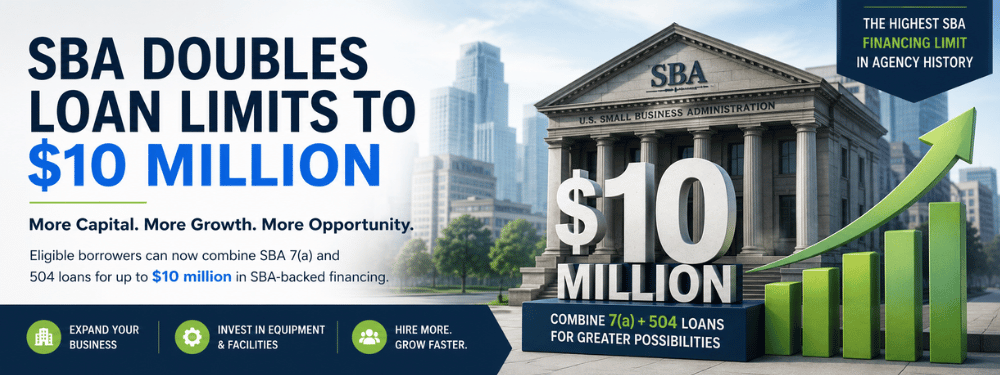
SBA loans are offered through the US Small Business Administration or related companies. These are generally reserved for small businesses and include a number of attractive features, like low-interest payments and low fees.
SBA loan programs are sometimes cheaper than a traditional loan and may allow you to repay interest with general timeframes. You can oftentimes find a traditional mortgage from the SBA as well; its loan programs have low down payment requirements and reasonable interest rate ranges. So if you want to buy property to renovate as a contractor, check the SBA frequently.
Business Lines of Credit
These are technically not loans but are similar to credit card credit pools. With a business line of credit, you are approved to spend up to a certain limit of credit from a lender. You then have to pay back the credit regularly and can’t go above the pre-approved maximum. On the plus side, you only have to pay back what you borrow from this pool.
Similarly, business credit cards can be great for construction company owners who need a regular source of financing for everyday materials or supplies.
Business lines of credit may require proof of good financial stability before you get through the approval process, such as:
A minimum credit score of up to a certain amount.
A good debt-to-income ratio
Financial statements
While business lines of credit are not a real example of a construction loan, they are some of the best lending services provided that a home builder can find. They have management payment requirements and are sometimes easier to manage than a short-term loan.
End Loans
End loans are essentially just mortgage loans. Depending on whether you have a buyer lined up for your next project, you may need to take out an end loan or mortgage on a completed property. Once you find a willing buyer, you can then transfer the mortgage to them and make a tidy profit.
What Are Permanent Mortgage Loans?
As you determine the best type of financing for your contracting company, you might come across the term “permanent loan”. Don’t be confused – a permanent loan is essentially any long-term loan, usually for up to 30 years or more in length. Therefore, many mortgages qualify as permanent financing.
Note that the majority of so-called permanent loans aren’t actually permanent. They’re just longer than average.
Benefits of a Construction Business Loan

Construction loans are oftentimes necessary financial tools for contracting companies. Simply put, it costs money to make money in the contracting and construction businesses, so many companies have to take out loans to get the capital necessary to pay for supplies and workers to complete a project.
A construction business loan lets you take on and finish projects you can’t finance yourself. Given the money involved in many of these projects, you can then make a massive profit even after paying back the loan plus interest.
Like other loan arrangements, construction business loans let construction companies do business more rapidly than they would if they had to save up for the costs of projects themselves.
What Can a Construction Loan be Used For?
Construction loans can be used for practically anything you need so long as it is related to the project at hand. Some lenders may require you to detail what the loan’s funds will be used for, but not all.
Construction loans can be used to:
- Buy materials and equipment you need for your business in general or for a specific project. This includes tools, vehicles, protective equipment, raw materials, and more
- Construct a facility for your company or expand your business location, such as constructing a new office
- Both hire and train new employees, including financing any training or educational costs
- Pay for insurance
- Pay for repairs or to overcome any disaster or damage expenses
How to Qualify for a Contractor Loan from a Construction Loan Lender
Most of the time, you’ll qualify for a general contractor loan (or any specific construction loan) if you meet the following requirements:
- Have a good personal credit score and business credit score. Many lenders have credit score minimums, even if you apply as a small business instead of an individual. Put together a report for your business credit history and try to improve your FICO score if you can before applying
- A down payment. Many construction loans require a down payment of 20% of the cost for the project or even more. Note that some construction loans allow you to use collateral – for instance, if you own the land the construction project will take place on, you can use that as your down payment
- Detailed financial documents, such as your past debt payment history, your past business history, and any other completed projects your company may have done
- Plans for the loan’s use or the construction project
- An appraisal of the land and/or any buildings
On top of that, it helps if your construction company has a good reputation and a history of past success. While contractor loans can be useful, they’re never guaranteed. But the more successful your business becomes, the easier you’ll find it to get more financing.
How to Apply for a General Contractor Loan
When you apply for a construction loan, your construction loan lender will want a variety of materials before they approve the loan. To get a construction loan and the best construction loan rates:
Increase your credit score before applying
Try to apply for construction-only loans. This will impact your debt-to-income ratio and how many lines of credit you have open
Get some cash together for a down payment. Some lenders will want a down payment of around 20% or more. Some may want a lower down payment. But the higher down payment you can make, the better your construction loan rates will be
Get your financial documents together. If you can provide that your construction-only loan will really be used for just construction matters, you’ll increase your chances of getting approved
Now it’s time to apply for your construction loan. To do that:
Find a lender in your area. Banks and credit unions are the way to go. They’ll offer the best construction loan. Plus, they’ll know the local industry and may be able to offer other types of construction loans, such as a renovation loan, a construction to permanent loan, and so on
Visit the lender in person. Tell them your desires for a construction loan and make it clear what you can offer in terms of a down payment
Look over the construction loan paperwork carefully. Each loan is different and will come with different terms, interest rates, and fees
If your minimum credit score and down payment are high enough, you should be approved for your construction loan. You can then use the loan for whatever you need, but remember the interest rates – they will affect how much you pay in the long term!
Summary

Ultimately, business loans for general contractors and other construction professionals are necessary financial tools to finance new projects, pay for the cost of doing business, and to return steady profits. With the right business loans, you’ll be able to keep money flowing, stay in business, and keep doing what you do best: building America up!
Our team at Upwise Capital is here to assist you with every step of the way to secure whatever funding is needed to help your business grow. If you have any questions regarding how construction financing works, please call our team at 77-55-UPWISE or email [email protected]. You can also apply online for construction financing, so you can get back to work and running your business.
So…What do you think?
We want to hear from you. What do you think of this article and was it helpful in your search for construction financing?
Let us know by leaving a reply below. Feel free to share this article on your social media.
SHARE
Take advantage of an 85% approval rate - act now!
Match with the perfect loan for your business.
Other Articles You May Want to Read





Recent Comments